 (402) 502-7277

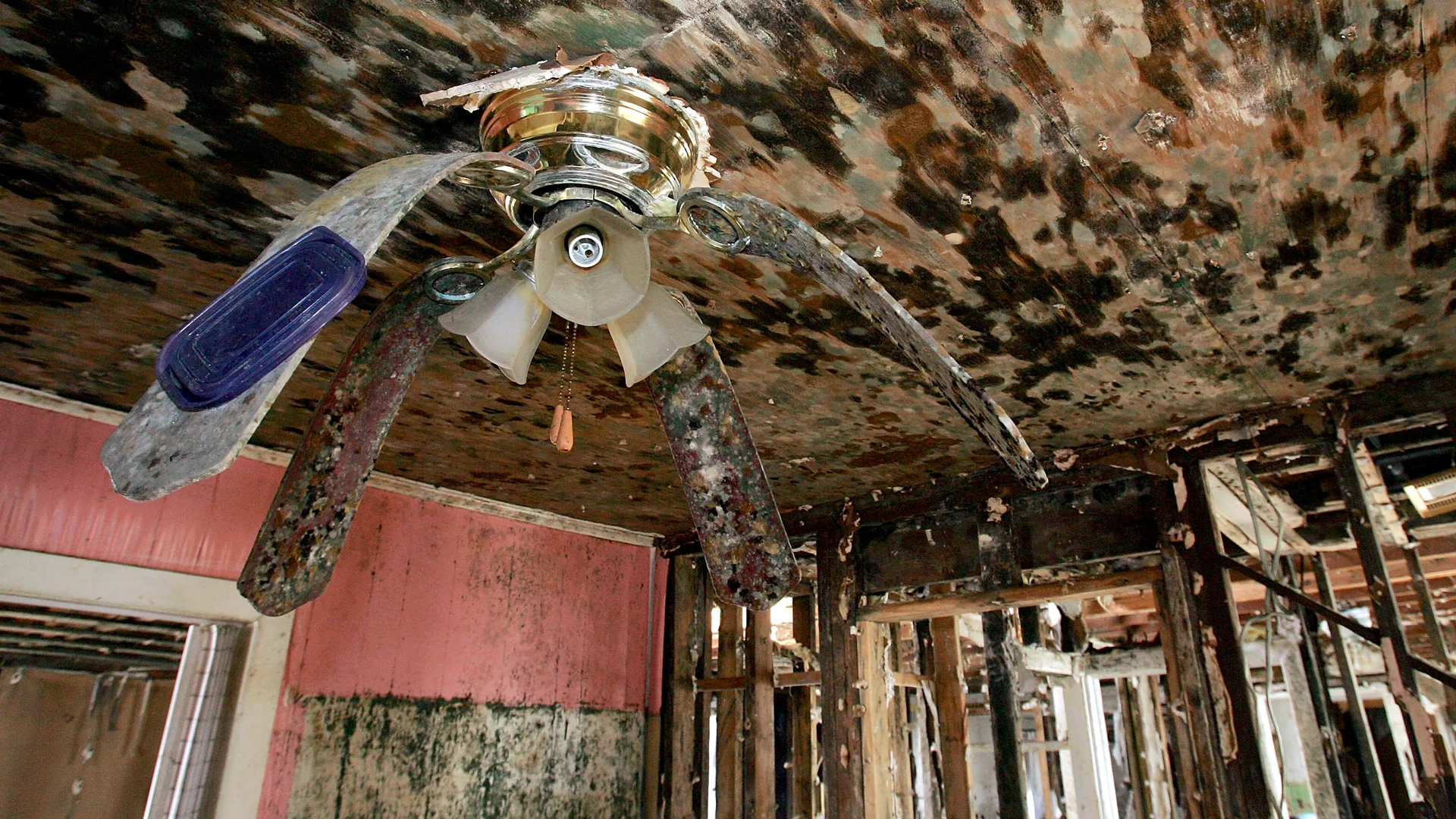

Why Mold Problems Get Worse in Spring — And How to Stop Them Early

Why Mold Problems Get Worse in Spring in Omaha Homes
Spring might feel like a fresh start, but for many Omaha homeowners, it’s actually when mold problems explode. Warmer temperatures, melting snow, heavy rain, and rising humidity create the perfect storm for hidden mold growth to spread quickly.
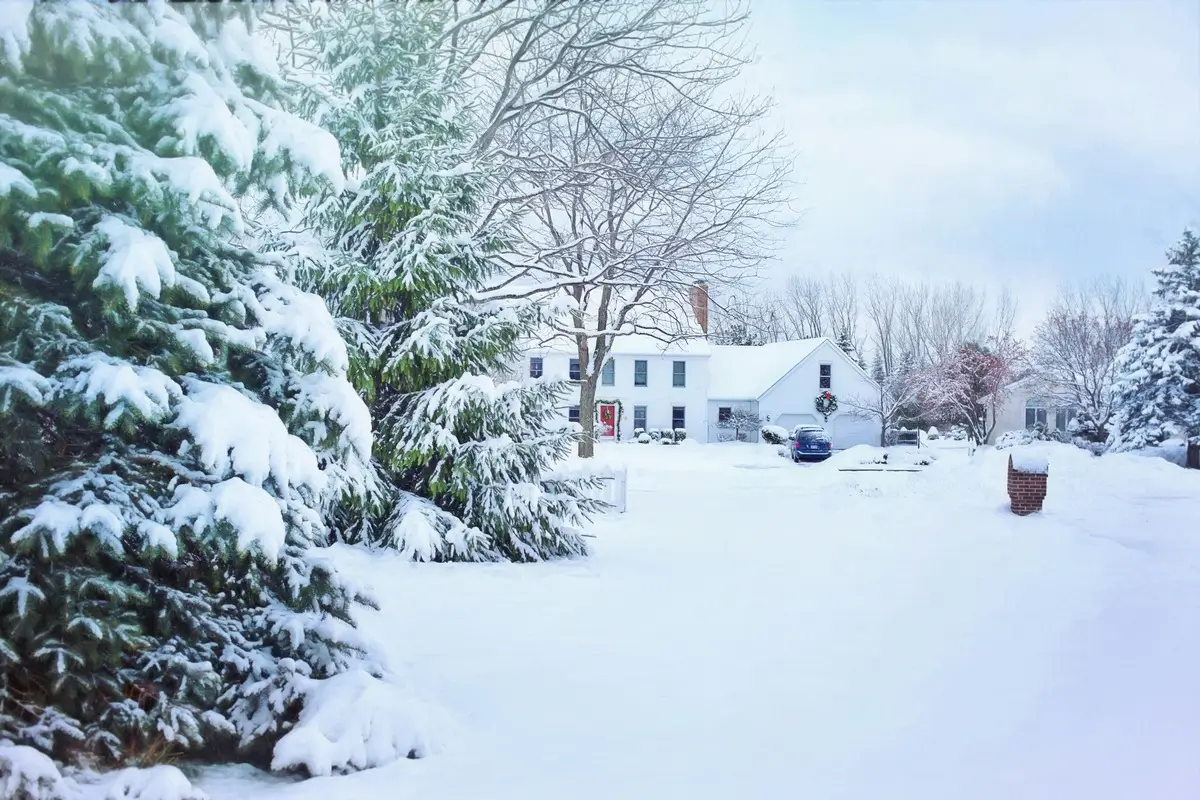
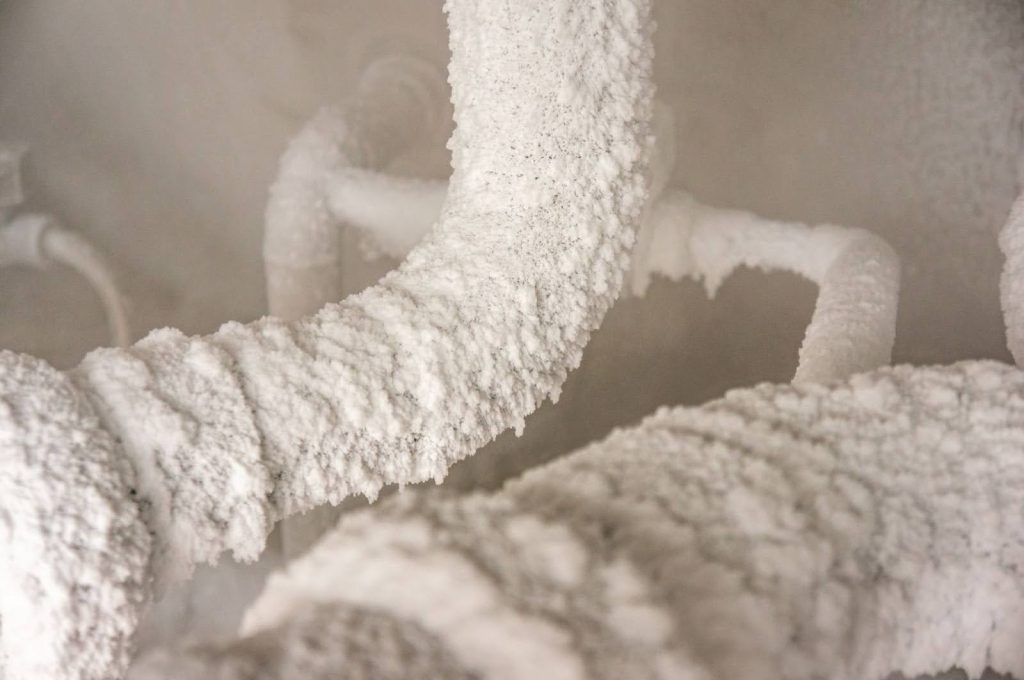
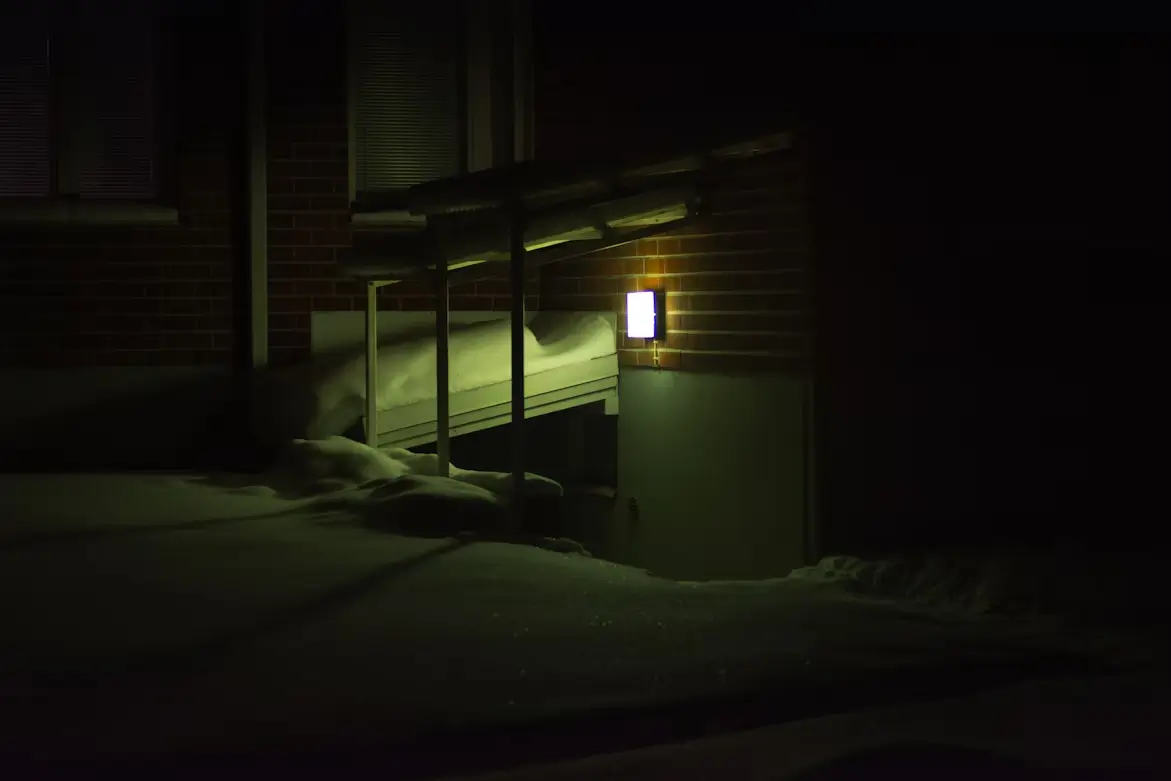
Many mold issues don’t begin in spring — they start during winter. Moisture from ice dams, frozen pipes, condensation, and minor leaks often stays trapped inside walls, basements, and attics. Once temperatures rise, mold begins growing aggressively.
If left untreated, small mold issues can turn into costly remediation projects within weeks.
How Spring Weather Fuels Mold Growth
Mold thrives in moisture and moderate temperatures. Spring in Omaha provides both.
Common spring mold triggers include:
- Melting snow saturating soil around foundations
- Basement seepage after heavy rain
- Roof leaks from winter ice damage
- High indoor humidity levels
- Poor ventilation in tightly sealed winter homes
Once moisture is present, mold can begin growing within 24 to 48 hours. By the time you notice a musty smell or visible spots, the problem may already be widespread.
Warning Signs Your Mold Problem Is Getting Worse
Spring mold growth often starts behind walls or under flooring. Watch for these warning signs:
- Persistent musty or earthy odors
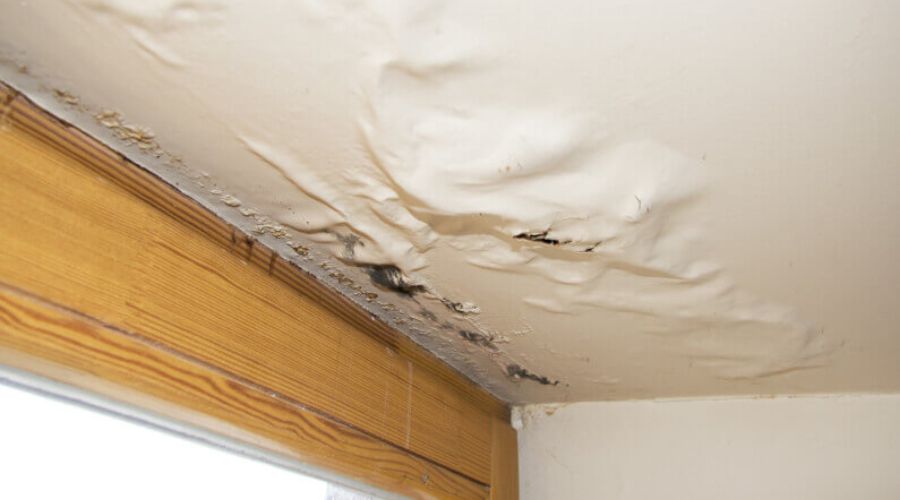
- Peeling paint or bubbling drywall
- Warping floors or stained ceilings
- Increased allergy symptoms indoors
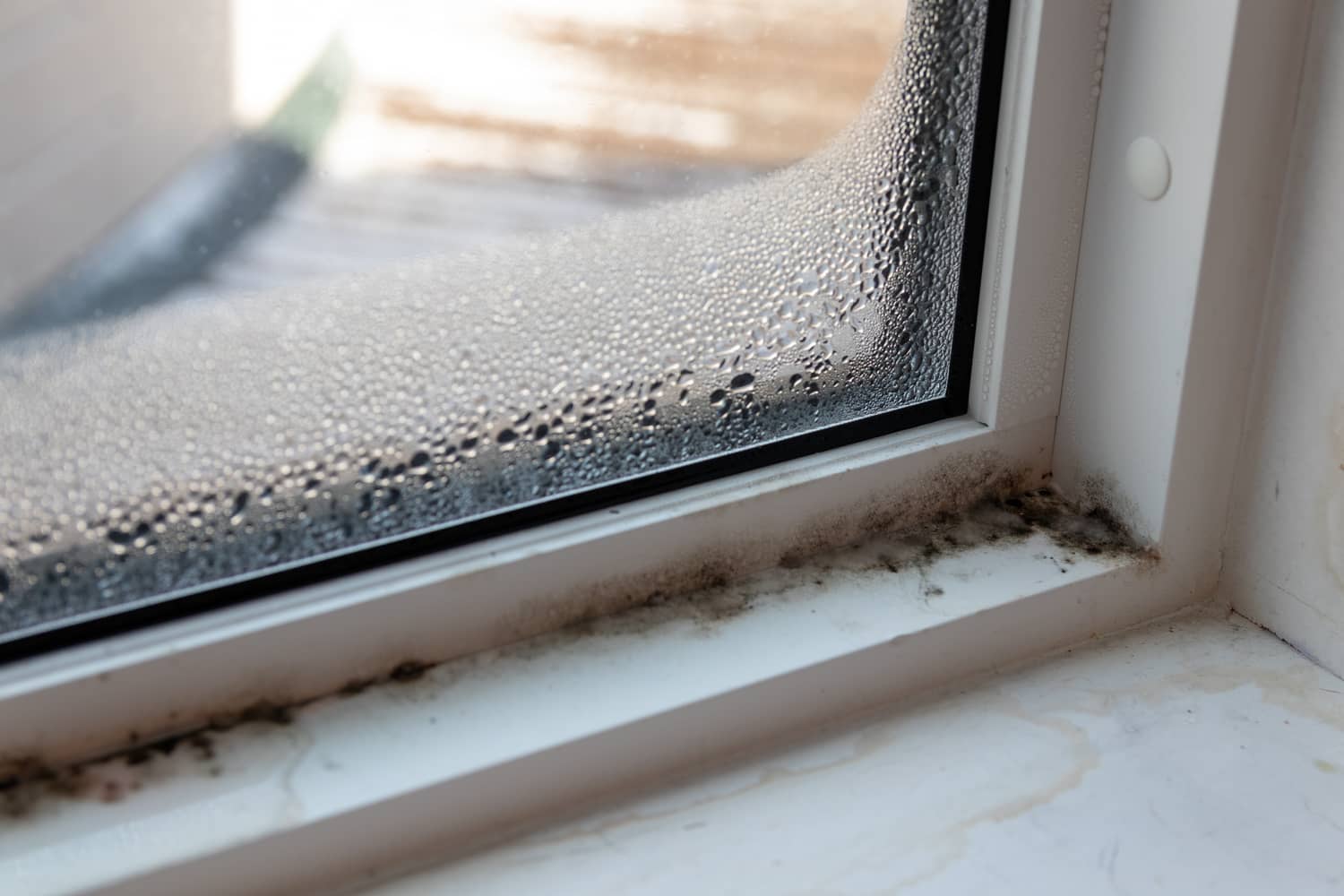
- Visible black, green, or white patches on surfaces
If you notice any of these signs, it’s important to act quickly before the damage spreads.
Why DIY Mold Removal Often Makes It Worse
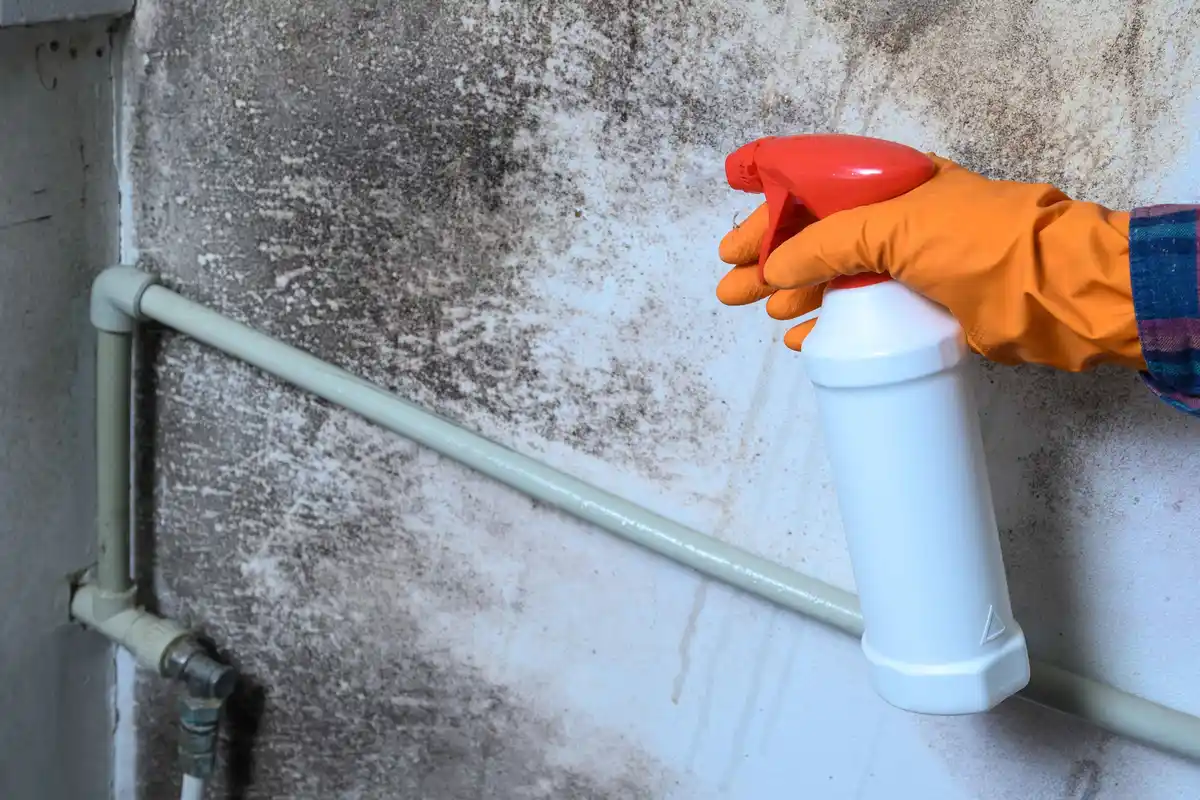
Many homeowners attempt to scrub mold with bleach or household cleaners. Unfortunately, this often only removes surface staining — not the underlying moisture source.
Disturbing mold without proper containment can release spores into the air, spreading contamination to other areas of your home.
Professional mold remediation includes:
- Moisture detection and source identification
- Containment to prevent cross-contamination
- HEPA air filtration
- Safe removal of affected materials
- Thorough drying and prevention strategies
Stopping mold early prevents structural damage and protects indoor air quality.
How to Stop Mold Problems Early This Spring
The key to preventing serious mold damage is early intervention.
1. Schedule a Professional Mold Inspection
Especially if your home experienced winter water damage.
2. Control Indoor Humidity
Keep humidity levels between 30 and 50 percent using dehumidifiers and proper ventilation.
3. Address Drainage Issues
Ensure gutters and downspouts direct water away from your foundation.
4. Repair Roof and Plumbing Leaks Immediately
Even small leaks can fuel mold growth quickly.
5. Call for Professional Remediation at the First Sign of Mold
Early treatment is far less expensive and invasive than waiting.
Protect Your Omaha Home Before Mold Spreads
Spring moisture doesn’t have to turn into a mold disaster. Acting quickly can protect your home’s structure, air quality, and long-term value.
At Restoration Now, we specialize in mold inspections and mold remediation in Omaha. Our team identifies the source of moisture, safely removes mold contamination, and restores your home properly — not just cosmetically.
If you suspect mold in your home this spring, don’t wait for it to get worse.
Contact us today for fast, professional mold remediation in Omaha.