How to Fight Mold in Your Home
One of the biggest fears homeowners have is the fear of a mold infestation. It’s scary because like a termite infestation often times it’s not discovered until it has wreaked extensive havoc through a large space. The good news is there’s help. Professional mold removal in Omaha is a common service because of the high humidity levels Omaha experiences. Restoration Now has seen it all. Here are some tips on what to look for and do if you suspect mold in your home.
Mold Signs
Mold is an allergen. One of the most common signs you may have a mold problem is having allergies that just won’t go away. Sneezing, sore eyes, runny nose, and nasal congestion are all allergic reactions to mold. Another thing to think about is when your allergies are flaring up the most. Do you feel bad at home, but feel better when you go out? If this is the case it’s very likely mold could be the culprit.
Does Mold Smell?
Yes, it smells. Mold produces gasses called microbial volatile organic compounds (MVOC). A lot of these gases are odorless, but some have what is best described as a “musty odor.” It’s an earthy smell, like dirt and rotting leaves.
What Does Mold Look Like?
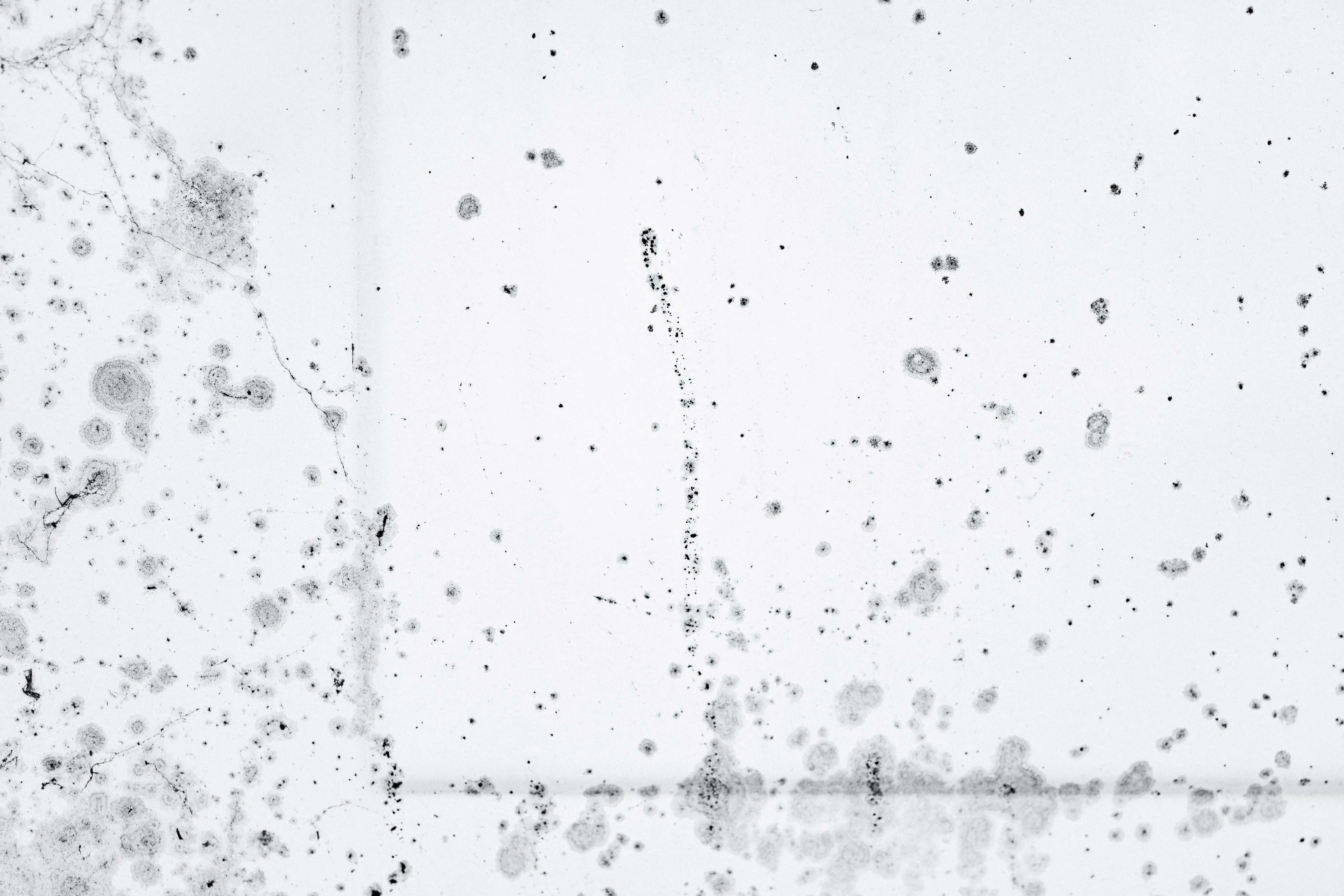
A lot of the time it’s hard to identify a mold problem by sight. Some mold looks white and thread-like, while other molds appear as clusters of small black spots. Mold color can vary from black, gray-brown, gray-green or white. Mold growing behind wallpaper made of vinyl can look orange, purple, or pink.
What Causes Mold?
The short answer is moisture. If you’ve had water leaks or broken pipes there’s a good chance mold is present. Water stains and discoloration on walls, floors or ceilings are signs. Surface abnormalities like bubbling, cracking, or peeling of wallpaper may indicate a mold issue. If your walls are bowed, bulging or warped it likely means moisture has gotten into them, and mold. If the walls feel damp this is another thing to be aware of.
If your house has been flooded in the past, then it’s very likely that mold is present. Typical areas post flood that mold flourishes are areas where the water remained the longest. Basements are usually the number one spot to find mold.
What Should You Do if You Find Mold?
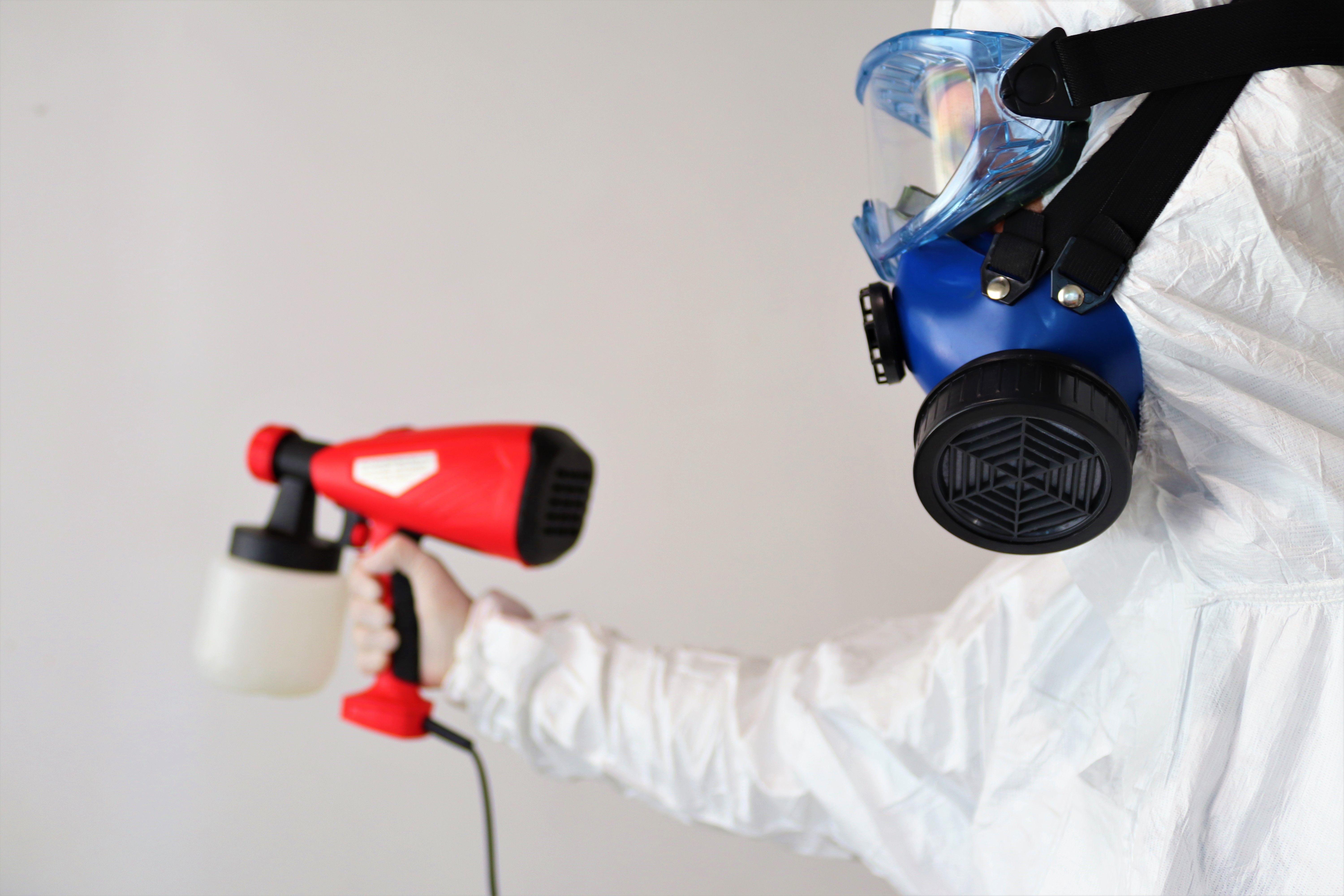
Unfortunately getting rid of mold is no easy task. If you find mold or think you may have mold the best thing to do is hire a professional team. We can take care of the mold and give you the peace of mind you deserve in your home. We provide affordable structural stabilization and execute certified water damage restoration in Omaha to stop recurring issues fast.