When winter arrives in Omaha, most homeowners focus on staying warm — but few realize that winter can actually increase the risk of mold growth. Sealed homes, higher indoor humidity, condensation, and hidden moisture all create ideal conditions for mold during the colder months. Proper winterization isn’t just about heat efficiency — it’s also one of the best ways to prevent mold before it becomes a costly problem.
Why Mold Is a Winter Problem in Omaha Homes
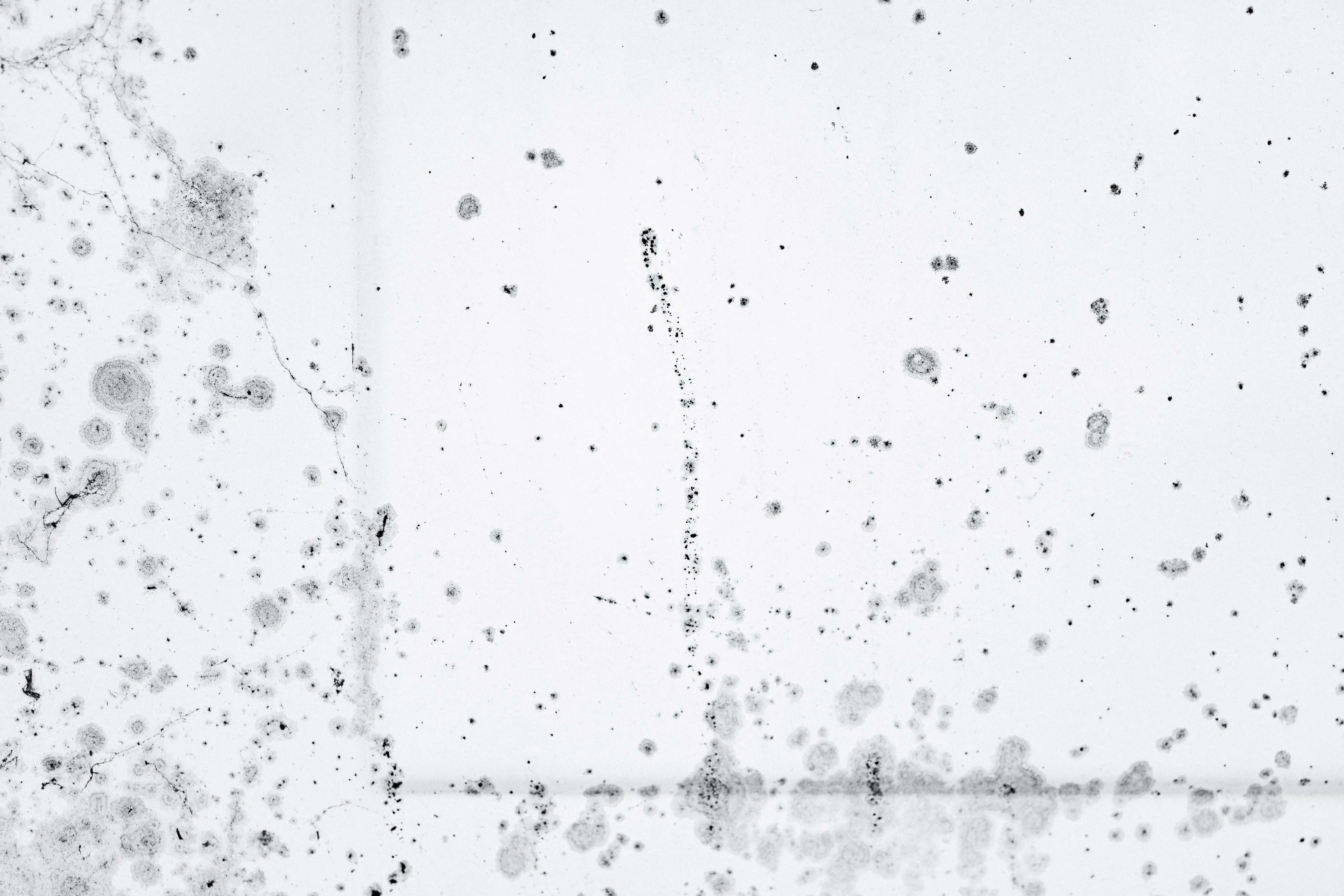
Mold doesn’t need warm outdoor temperatures to grow. In winter, homes are sealed tightly, trapping moisture indoors. Warm air rises and meets cold surfaces like windows, exterior walls, and attic spaces, causing condensation. That moisture feeds mold spores — often in areas you don’t see until the problem is advanced. Omaha’s cold snaps, snowmelt, and indoor heating systems make winter a prime time for hidden mold growth.
1. Control Indoor Humidity Levels
Keeping humidity under control is the single most important step in preventing winter mold. Indoor humidity should stay between 30% and 40% during cold months. Tips to manage humidity:
- Avoid overusing humidifiers (Check out our guide here)
- Adjust humidifier settings as outdoor temperatures drop
- Run bathroom and kitchen exhaust fans
- Use a dehumidifier in basements or crawl spaces
2. Seal Air Leaks and Insulate Properly
Air leaks allow warm, moist air to escape into colder areas like attics and wall cavities. When that warm air cools, condensation forms — often directly on building materials. Focus on sealing attic hatches, recessed lighting, plumbing penetrations, and around windows. Improperly sealed windows cause moisture buildup along edges; if caught early, this prevents spiraling structural issues.
3. Improve Attic Ventilation
A poorly ventilated attic is one of the most common causes of winter mold growth. Without proper airflow, warm air becomes trapped and moisture accumulates on roof decking and insulation. If you notice frost, damp insulation, or musty odors in your attic, it’s time to have it inspected.
4. Inspect and Maintain Plumbing
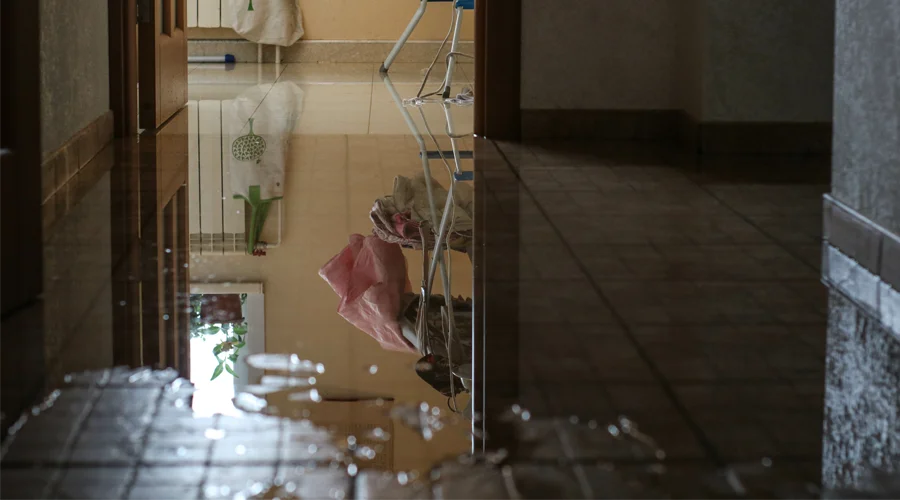
Frozen or slow-leaking pipes are a major source of winter moisture. Prevent plumbing-related mold by insulating exposed pipes, checking under sinks regularly, and addressing leaks immediately. Catching water issues early is key to mold prevention.
5. Watch for Condensation on Windows and Walls
If you regularly see foggy windows, water pooling on sills, or damp wall surfaces, mold may not be far behind. Reduce condensation by lowering indoor humidity, improving airflow near windows, and replacing damaged seals.
6. Keep Basements and Crawl Spaces Dry
Basements are especially vulnerable in winter. Use a dehumidifier year-round, check foundation walls for dampness, and ensure downspouts direct water away from the home. Avoiding storage directly on concrete floors can also mitigate localized moisture traps.
7. Schedule a Professional Moisture Inspection
Even with good prevention habits, hidden moisture can still develop. At Restoration Now, we use moisture meters and thermal imaging to detect hidden dampness in walls, ceilings, and attics — allowing us to stop mold before it spreads. If we find mold, our team handles mold remediation and fixes the moisture problem causing it.