Why a "Minor" Leak is a Major Liability in Omaha
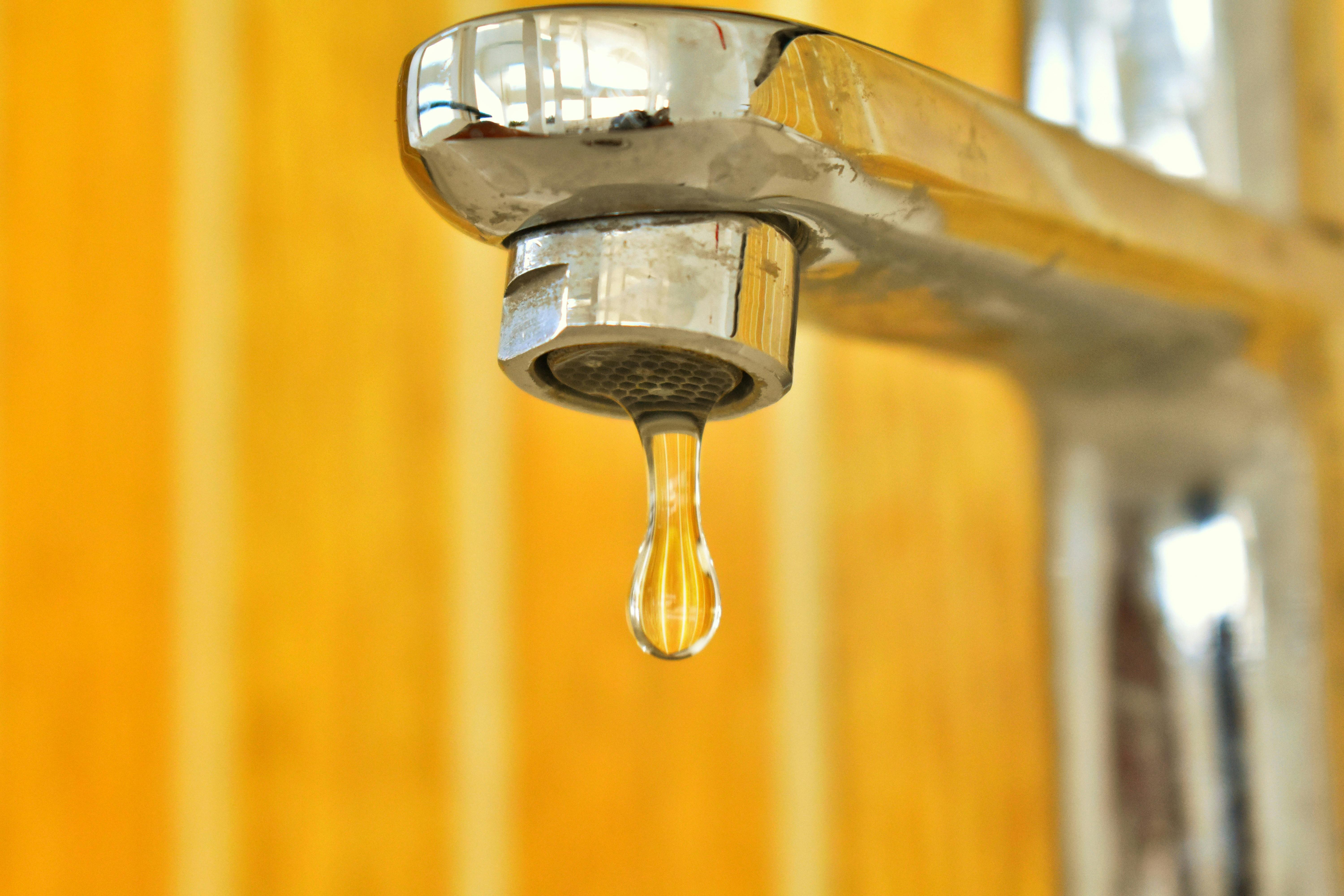
In Omaha, we’re used to being tough — weathering everything from humid summer storms to sub-zero winters. But there is one thing no homeowner should try to "tough out": a small water leak. Whether it’s a slow drip under the kitchen sink, a mysterious damp spot in the drywall, or a silent trickling in the basement, ignoring it is a gamble with your home's equity and your family's health.
What starts as a nuisance often evolves into a financial nightmare. In the restoration industry, we see it every day: a $150 plumbing fix that was ignored until it became a $10,000 mold remediation and structural repair project.
The Hidden Financial Drain of Water Damage
When you ignore a leak, you aren't just paying for the water that wastes away; you are paying for the secondary damage it causes. Here is how the costs escalate for Omaha homeowners:
- Skyrocketing Water Bills: A leak as small as a pinhead can waste 10,000 gallons of water a year. In Omaha, that’s money literally going down the drain.
- Structural Deterioration: Water weakens wood, rusts metal, and causes drywall to crumble. By the time you see a "soft spot" in the floor, the joists underneath may already be rotting.
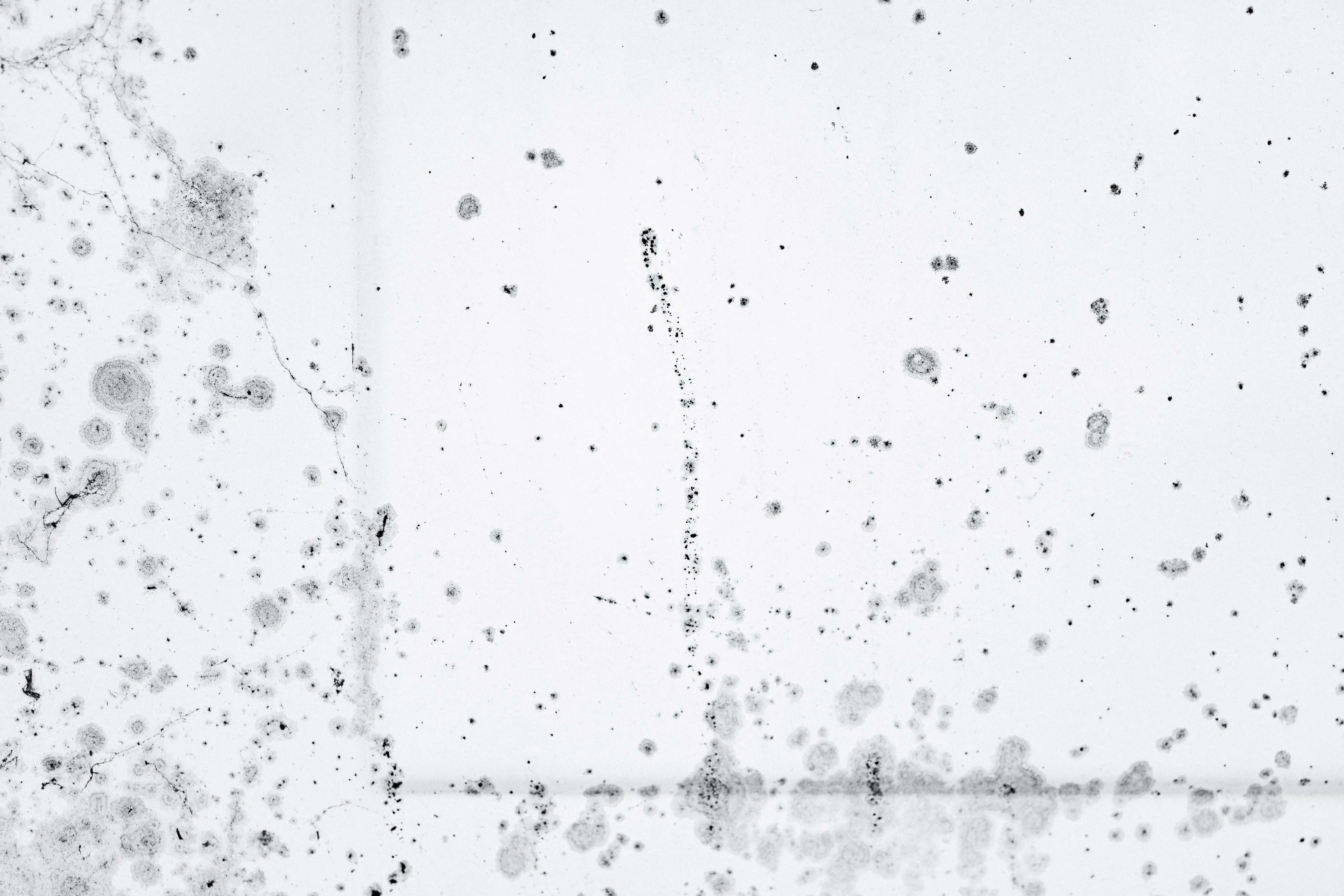
- Rapid Mold Growth: It only takes 24 to 48 hours for mold spores to colonize a damp surface. Once mold gets into your HVAC system or behind your wallpaper, the cost of removal triples.
- Electrical Hazards: Water and electricity are a deadly duo. Leaks that travel along wires can cause shorts, ruin appliances, or even start house fires.
The "Insurance Trap": Why Waiting Costs You More
Many Omaha residents assume their homeowners insurance will cover any water damage. However, most policies have a specific exclusion for "gradual damage." If a pipe bursts suddenly, you’re likely covered. But if a leak has been dripping for months and you failed to maintain it, the insurance company may deny your claim, citing negligence. By ignoring the leak today, you are essentially agreeing to pay for the eventual disaster entirely out of pocket.
Signs You Have a Hidden Leak in Your Omaha Home
You don't always need to see a puddle to know there's a problem. Watch for these "silent" indicators:
1. Unexplained Spikes in the Water Bill
If your usage hasn't changed but your Metropolitan Utilities District (MUD) bill is climbing, you have a "silent" leak—likely in a wall or underground.
2. Musty or Earthy Odors
That "old basement smell" is actually the scent of mold off-gassing. If a room smells damp despite being dry to the touch, there is moisture trapped somewhere.
3. Peeling Paint or Bubbling Wallpaper
Water destroys the adhesive bond between paint/wallpaper and the wall. If your walls look like they are "blistering," water is the culprit.
4. Warping Baseboards or Flooring
Laminate and hardwood flooring will "cup" or "peak" when moisture levels rise underneath them.
Why Professional Intervention is Essential
If you find a leak, simply tightening a valve isn't enough. The water that already escaped needs to be dealt with. At Restoration Now, our Omaha-based team uses thermal imaging and moisture meters to find exactly where the water traveled. We ensure your home is fully dried out to prevent the structural rot and mold that follow "DIY" fixes.
We integrate advanced structural water damage restoration in Omaha alongside high-accuracy localized diagnostics. If secondary amplification is located, our certified team handles structural mold remediation to maintain absolute indoor environmental safety.