Humidifiers are lifesavers during Omaha’s cold, dry winters. They keep your home comfortable, protect your skin, and help with allergies. But there’s a hidden downside most homeowners don’t realize: humidifiers can cause mold growth when used incorrectly.
When indoor humidity rises too high, moisture begins to collect on cold surfaces like windows, walls, and ceilings. That trapped moisture becomes the perfect breeding ground for mold — especially during winter when homes are sealed tight and ventilation is low.
The good news? You don’t have to ditch your humidifier. With the right precautions, you can keep your home comfortable and mold-free.
1. How Humidifiers Cause Mold Growth in Winter
In winter, the cold outdoor air means surfaces inside your home — especially windows and exterior walls — stay much cooler. When a humidifier releases moisture into the air, that moisture condenses on those cold surfaces.
Once condensation forms, mold spores begin to grow quickly. All it takes is:
- Moisture
- Darkness
- And a food source (like drywall, dust, or wood)
Unfortunately, winter provides all three. This is especially common in Omaha homes with older windows, basements, or rooms with poor ventilation.
2. Signs Your Humidifier Is Creating a Mold Problem
Most homeowners don’t realize their humidifier has caused excess moisture until mold is already growing. Watch for:
- Foggy or wet windows
- Water dripping from window frames
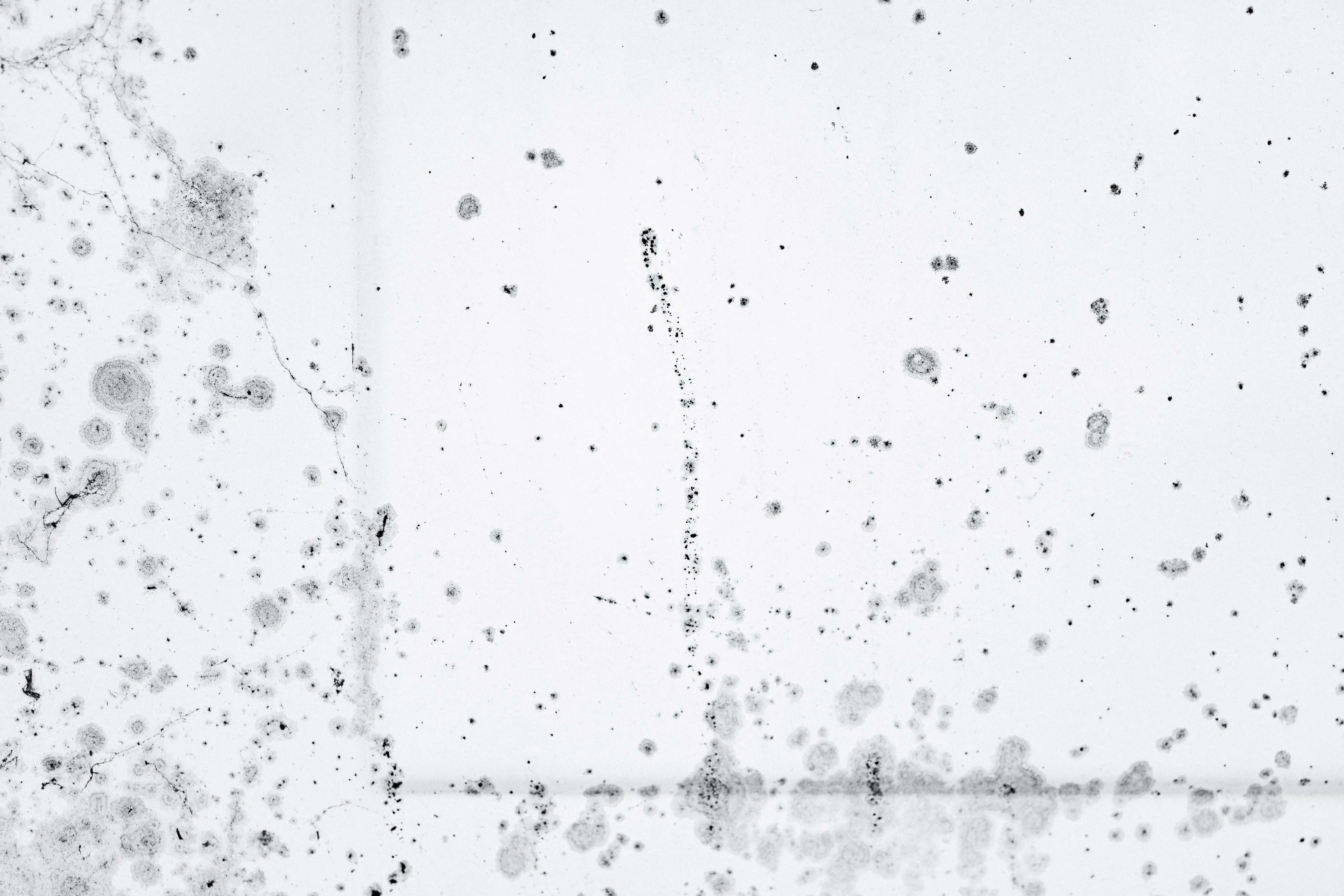
- Dark spots on walls or ceilings - a sure sign that mold is already growing.
- Musty smells near the humidifier
- Peeling paint or bubbling drywall
- Mold growth on vents or around baseboards
3. Ideal Indoor Humidity Levels During Omaha Winters
To avoid mold, your humidity level should stay between 30%–40% in the winter. Anything above 45% dramatically increases mold risk.
Because Omaha winters are extremely cold, even 40% humidity can be too high depending on your windows and insulation. A hygrometer (humidity meter) is a must-have for monitoring levels — and they’re inexpensive.
4. Choosing the Right Humidifier Settings
If your humidifier has built-in settings or automatic sensors, make sure they’re properly calibrated. Here’s a quick guide based on typical Omaha temperatures:
- Above 20°F outside: 35–40% humidity
- 10°F to 20°F: 30–35% humidity
- 0°F to 10°F: 25–30% humidity
- Below 0°F: Keep it under 25%
The colder it gets, the lower your indoor humidity should be to prevent condensation — and mold.
5. Ventilation: Your Secret Weapon Against Mold
Winter homes get sealed up tight, which traps moisture inside. Improving airflow is one of the best ways to stop mold caused by humidifiers. Try these tips:
- Crack a window for a few minutes each day
- Run exhaust fans in bathrooms and kitchens
- Leave interior doors open to improve circulation
- Keep your HVAC system running (even on low)
- Replace furnace filters regularly
6. What to Do If Mold Has Already Started
If you’ve spotted mold — or even suspect it — don’t try to clean it with bleach or home remedies. That may remove the stain but won’t get rid of the actual mold colony behind the surface.
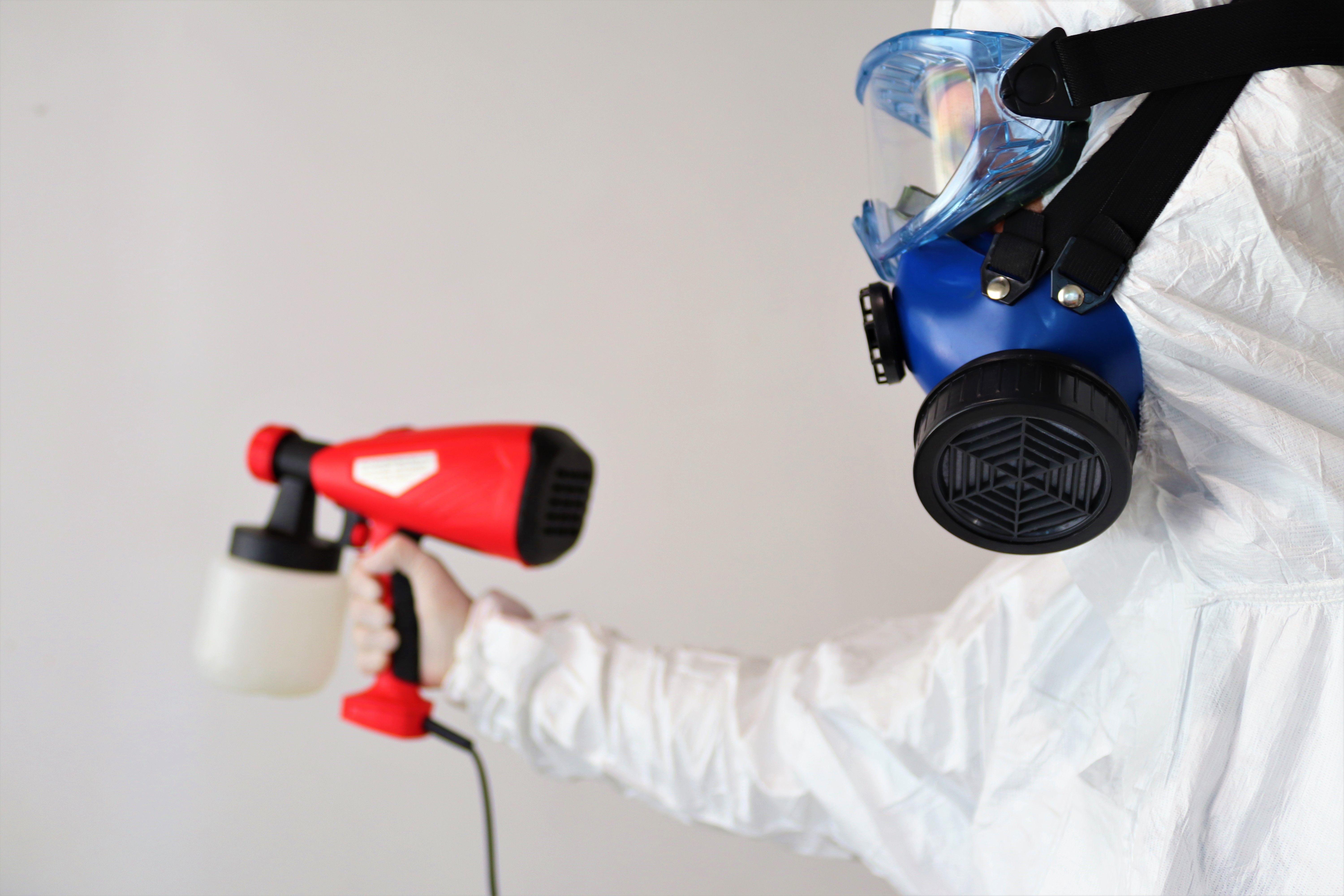
Mold spreads quickly in winter because humidity stays trapped indoors. The safest option is to call in professionals who can assess the damage, remove the mold properly, and dry the affected areas so it doesn’t return.
Your Local Omaha Mold Experts
Humidifiers can make winter more comfortable, but using them incorrectly can cause mold problems that only get worse over time. If you’ve noticed musty smells, condensation, or visible mold, Restoration Now is here to help.
Our team specializes in fast, professional mold removal and mold remediation in Omaha. We identify hidden moisture, eliminate mold at the source, and help you keep your home safe all winter long.