 (402) 502-7277


Mold Inspection vs. Home Inspection - Why One Isn't Enough for Omaha Buyers

The Gap in Your Standard Home Inspection
You’ve found the perfect house in Millard or West Omaha, the offer was accepted, and you’ve scheduled your home inspection. You might think you’re fully protected, but there is a significant catch: most standard home inspections are "non-invasive" and "visual-only."
While a general home inspector is great at spotting a leaky roof or an outdated electrical panel, they aren’t required—and often aren't equipped—to find the mold hiding behind that fresh coat of "flip" paint or deep inside the HVAC ductwork. In Omaha’s humid climate, what looks like a pristine basement today could be a $5,000 remediation project tomorrow.
Why Standard Inspections Often Miss Mold
A typical home inspector looks for visible signs of damage. However, mold is a master of disguise. Here is why the standard report might leave you vulnerable:
- Surface Level Only: General inspectors won't move furniture, pull up carpets, or look behind walls where mold thrives.
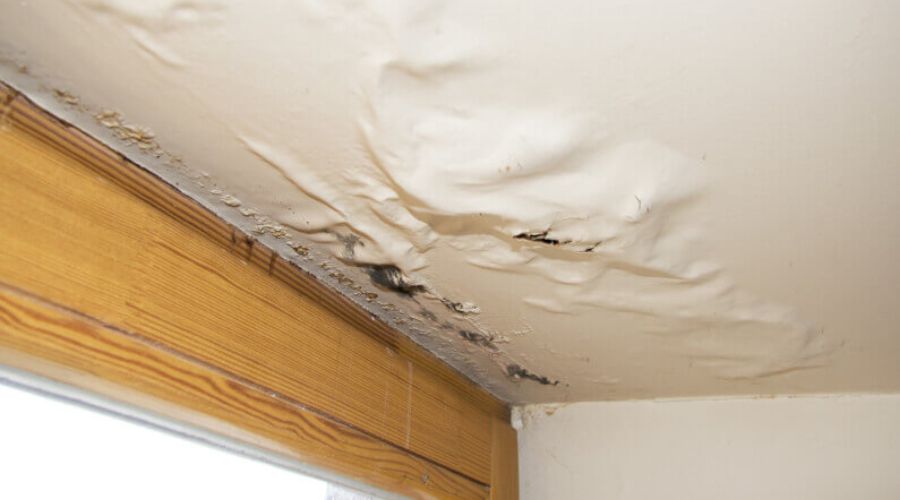
- The "New Paint" Mask: Sellers often apply a fresh coat of paint to cover up water stains. A visual inspection won't see the active moisture trapped underneath.
- Air Quality is Invisible: You can't see mold spores in the air. Without air sampling, a house can look clean while having a spore count ten times higher than the outdoors.
- Lack of Specialized Tools: Most general inspectors don't carry the high-end thermal imaging cameras or moisture meters needed to find "silent" leaks.
The Value of a Certified Mold Inspection in Omaha
A professional mold inspection is a deep dive into the health of the property. When you add a specialized mold test to your due diligence, you get access to technology and expertise that a general inspector simply doesn't provide:
1. Infrared Thermal Imaging We use FLIR thermal cameras to scan walls and ceilings. These cameras detect temperature differences caused by moisture, allowing us to "see" a hidden leak behind the drywall without making a single hole.
2. Air and Surface Sampling We collect air samples from multiple floors and compare them to the outdoor baseline. If your indoor air has high levels of Stachybotrys (Black Mold) or Aspergillus, we’ll know—even if it’s completely invisible to the naked eye.
3. Lab-Certified Results Our samples are sent to an accredited laboratory. You receive a detailed report that identifies the exact species of mold and the concentration levels, which is a powerful tool during price negotiations.
Nebraska Disclosure Laws: Protect Yourself
In Nebraska, sellers are required to disclose "known material defects." However, if the seller doesn't know about the mold in the crawl space, they don't have to report it. If you discover the mold after you close, the cost of remediation falls entirely on you.
An inspection typically costs between $300 and $500, while professional remediation for a whole-house mold issue can easily reach $10,000 to $30,000. Investing in an inspection before you sign is the best insurance policy an Omaha homebuyer can have.
When Should You Definitely Order a Mold Test?
You should consider a specialized mold inspection if:
- The home was vacant for several months (common in estate sales).
- The basement has a musty, "earthy" odor.
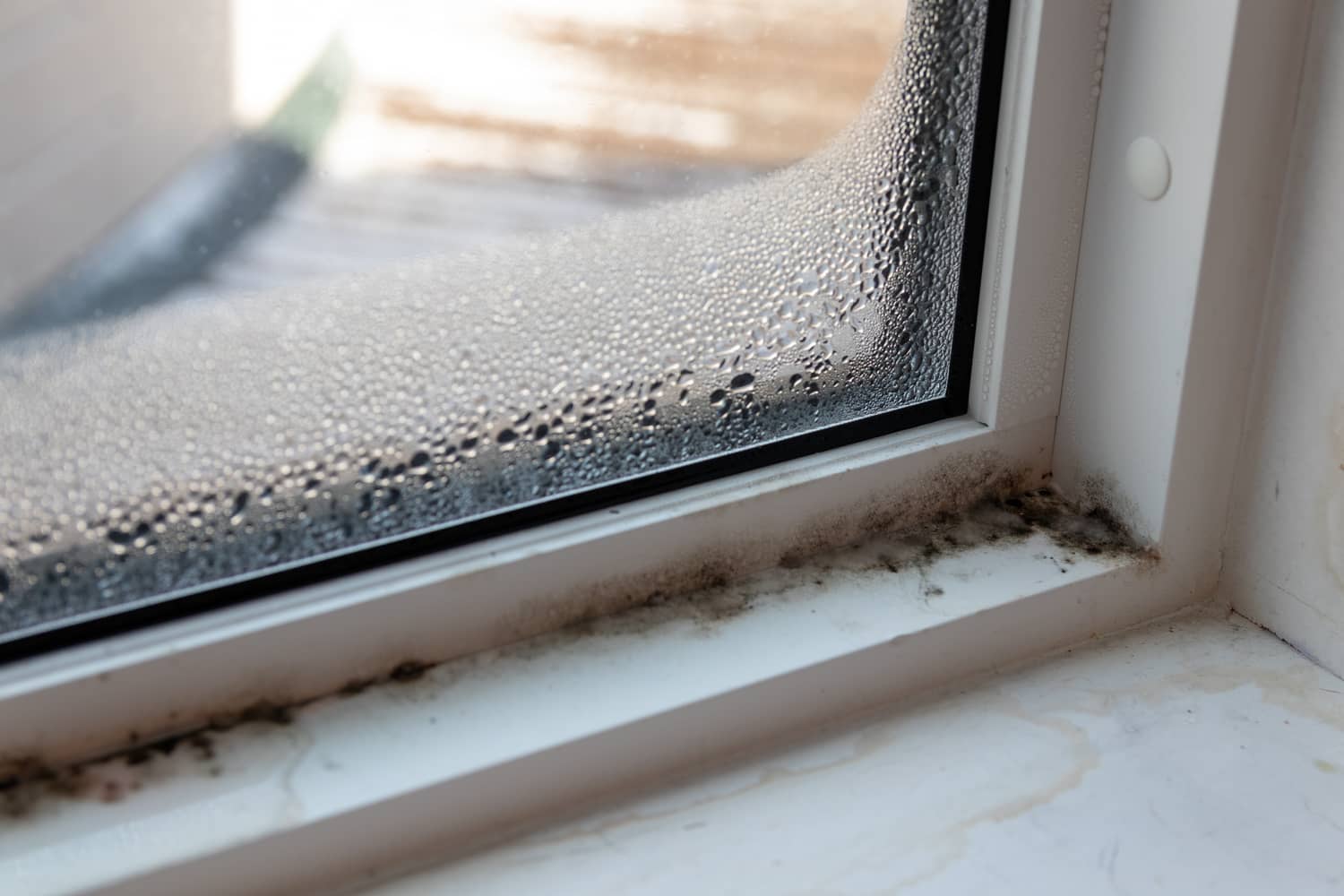
- There are visible water stains on the ceiling or near window frames.
- The home is more than 30 years old.
- You or your children have asthma or severe allergies.
Don't Buy a Hidden Problem
At Restoration Now, we provide unbiased, professional mold inspections across the Omaha metro area. We give you the facts you need to negotiate with confidence or walk away from a "money pit."
Buying a home? Make sure it's as healthy as it looks.