 (402) 502-7277

Unexplained Allergies? Your HVAC System Might Be Hiding Mold

Why Your HVAC System Could Be Making You Sick
If you find yourself sneezing, dealing with itchy eyes, or feeling congested only when you’re inside your house, the culprit might not be seasonal pollen. For many Omaha homeowners, the source of "unexplained" allergies is actually hidden inside the air ducts and HVAC components.
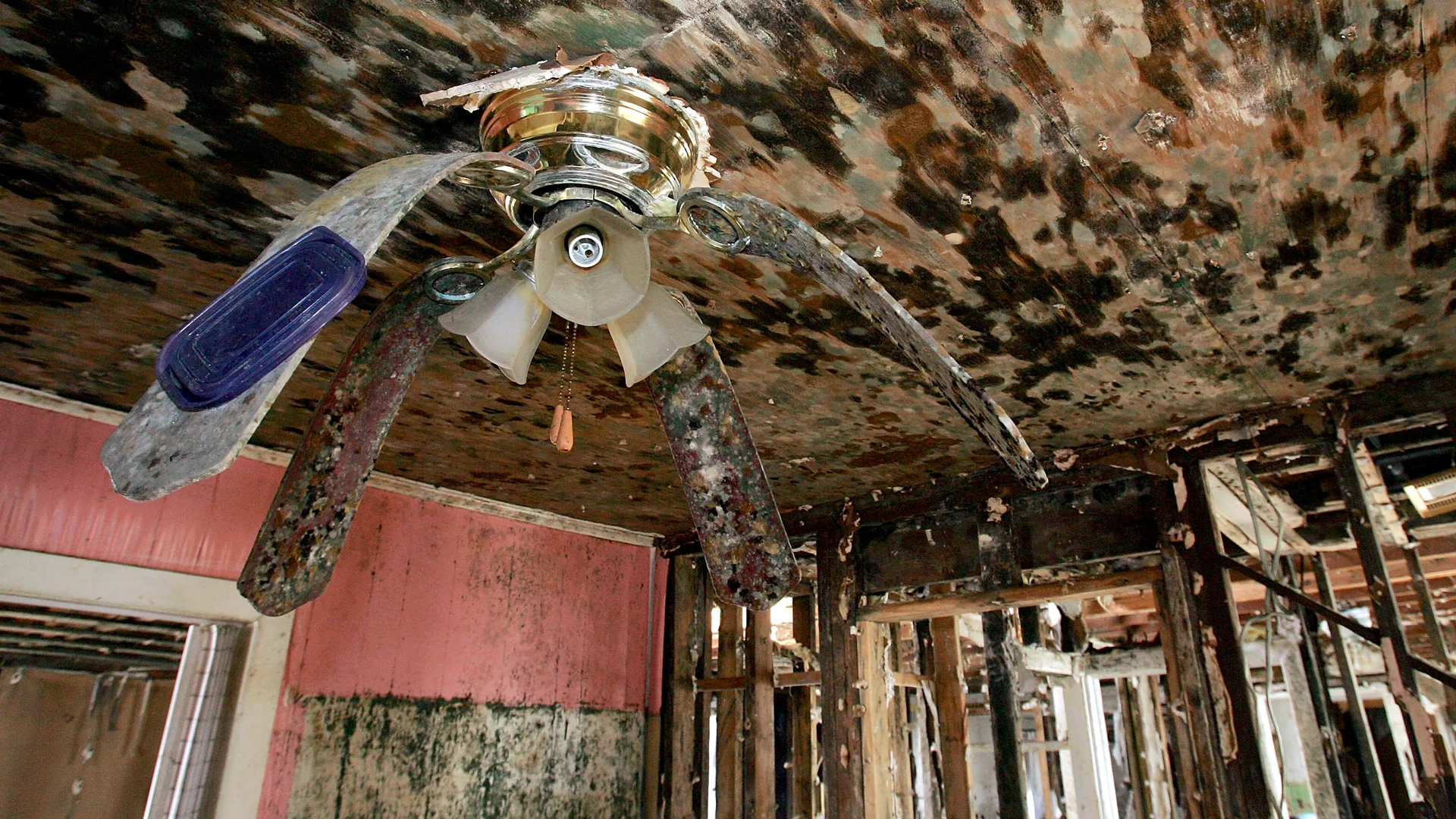
Your HVAC system is designed to circulate air, but if moisture gets trapped within the unit or the ductwork, it becomes a high-speed delivery system for mold spores. Instead of fresh air, your furnace or AC could be blasting microscopic irritants into every room of your home.
Common Signs of Mold in Your Omaha HVAC System
Because your ductwork is hidden behind walls and ceilings, you can’t always see the problem. However, your body and your nose often provide the first clues:
- The "Musty" Smell: If you notice a damp, earthy odor specifically when the heat or AC kicks on, mold is likely present.
- Worsening Allergy Symptoms: Increased coughing, wheezing, or skin irritation that subsides when you leave the house.
- Visible Residue on Vents: Black or green speckled spots appearing on the slats of your air registers.
- Frequent Headaches: Poor indoor air quality caused by mold spores can lead to persistent sinus headaches.
How Mold Gets Into Omaha Air Ducts
In Nebraska, our extreme humidity in the summer and tightly sealed homes in the winter create the perfect environment for mold. Common causes include:
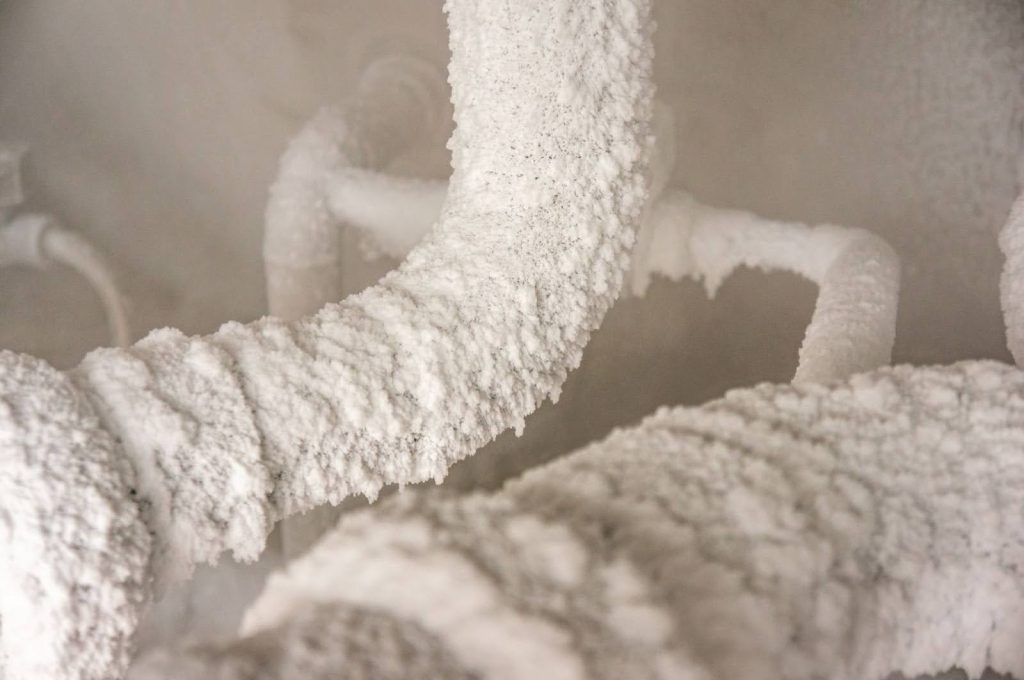
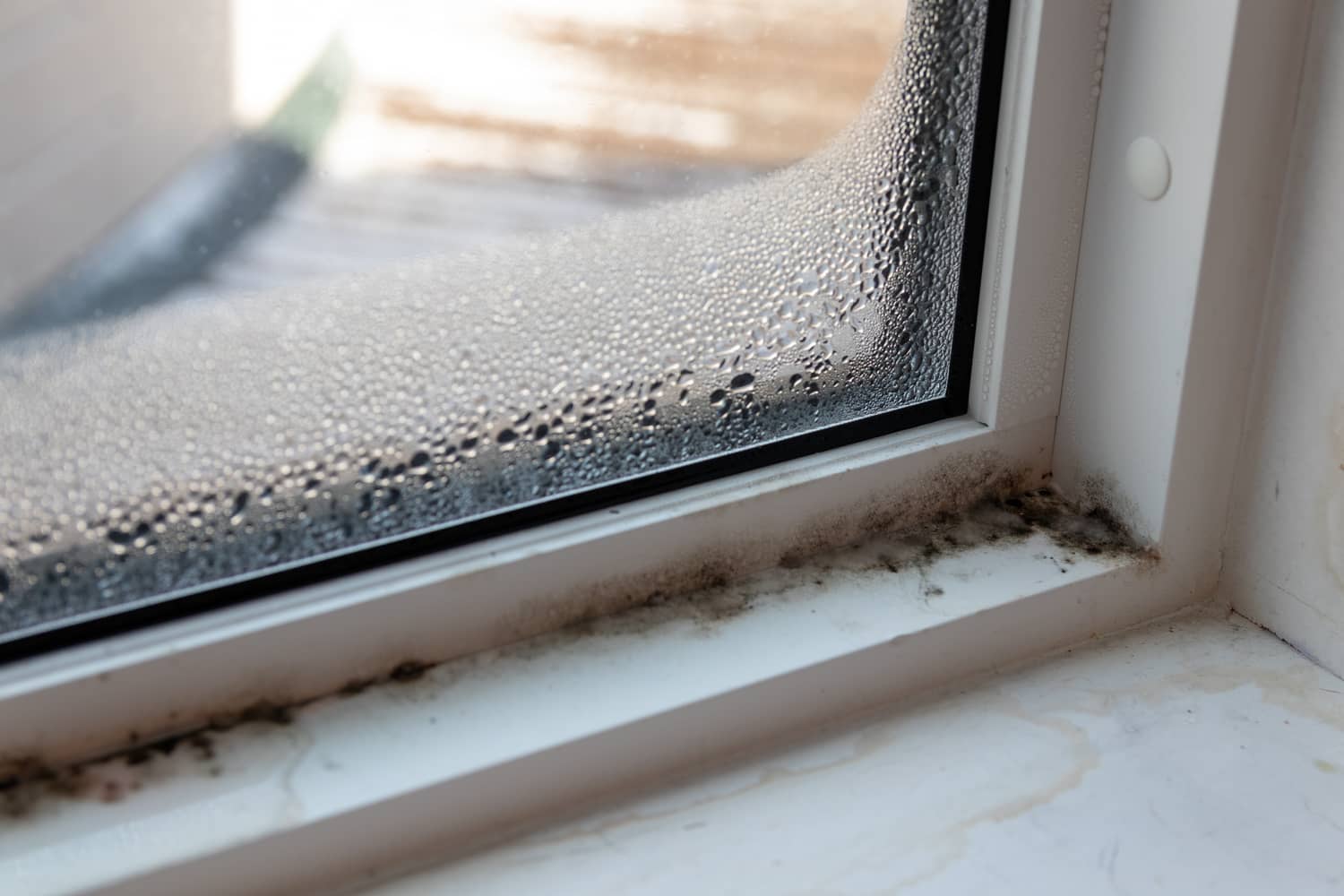
- Condensation: When cold air passes through warm ducts, moisture forms. If not drained properly, this standing water breeds mold.
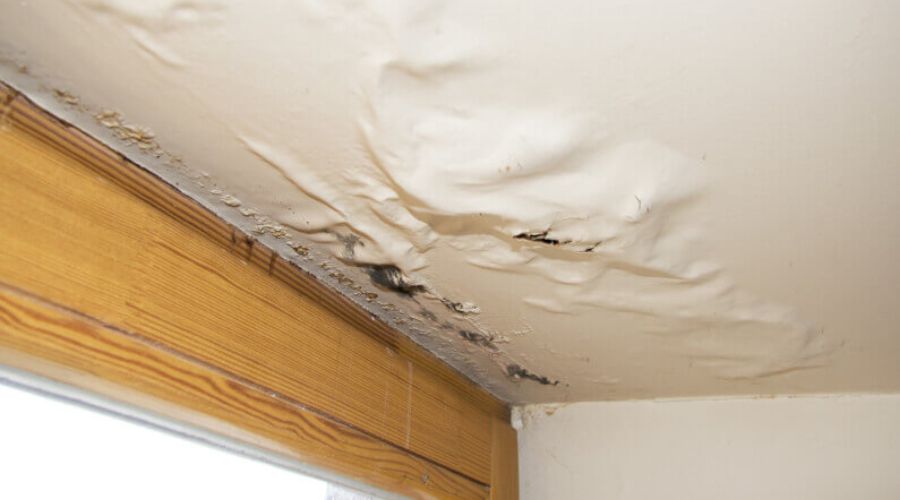
- Leaking Roofs or Pipes: Water dripping onto ductwork can seep inside, dampening the dust and debris that mold feeds on.
- Oversized AC Units: Units that are too large for the home turn off too quickly, failing to dehumidify the air properly.
- Dirty Air Filters: Clogged filters restrict airflow and trap moisture against the cooling coils.
How to Prevent HVAC Mold Growth
You can take several steps to keep your home's air clean and your system mold-free:
1. Change Filters Regularly Use high-quality HEPA filters and replace them every 60–90 days to ensure proper airflow and spore filtration.
2. Keep Ducts Dry Ensure your condensate pan is draining correctly and that there are no leaks in your attic or crawl space affecting the ductwork.
3. Use a Whole-Home Dehumidifier Keeping your home’s humidity levels below 50% makes it nearly impossible for mold to thrive.
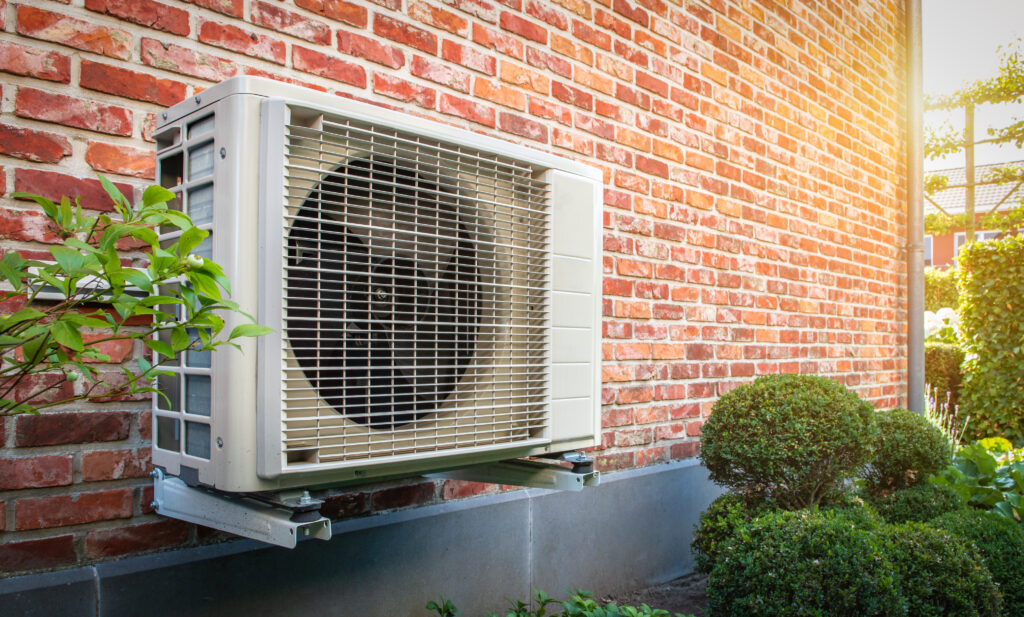
4. Inspect Outdoor Intakes Clear away leaves and debris from your outdoor unit to ensure the air being pulled in is as clean as possible.
Why Professional HVAC Mold Remediation is Necessary
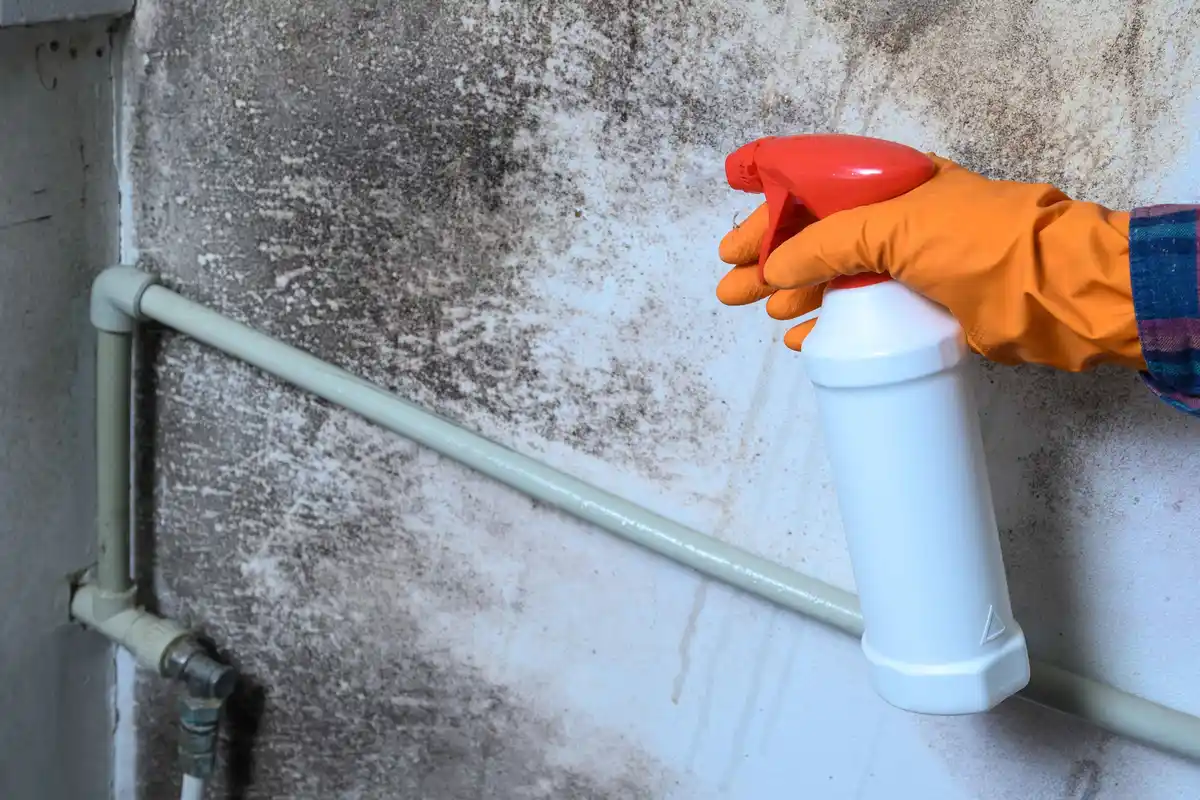
Spray-and-wipe methods don't work for HVAC mold because the spores are rooted deep within the system. Professional remediation in Omaha is essential because:
- Specialized Equipment: We use high-powered vacuums and brushes to reach deep into ductwork without spreading spores.
- Antimicrobial Treatments: We apply EPA-approved fogging agents that kill mold on contact and prevent future growth.
- Source Identification: We don't just clean the mold; we find the moisture issue that caused it so it doesn't come back.
Breathe Easier with Restoration Now
You shouldn't have to suffer from allergies in your own home. If you suspect your HVAC system is hiding a mold problem, it's time to take action for your health and your home's air quality.
At Restoration Now, we specialize in comprehensive mold inspection and remediation in Omaha. Our team knows exactly where mold hides in local HVAC systems and how to remove it safely and effectively.
Contact us today for a professional air quality and mold inspection to ensure your family is breathing clean air all year round.