 (402) 502-7277


How Ice Dams Cause Hidden Roof Leaks and Water Damage

How Ice Dams Cause Hidden Roof Leaks and Water Damage
Ice dams are a common winter problem that many Omaha homeowners don’t notice until water has already done significant damage. An ice dam is a ridge of ice that builds up along your roof edge or in gutters. When snow on the warmer part of the roof melts and flows down to colder edges, it refreezes — creating a barrier that traps meltwater. That trapped water then backs up under shingles and can seep into your attic, walls, and ceilings, often without any immediate visible signs inside your home.
How Ice Dams Form (And Why Winter Makes It Worse)
Ice dams typically form when three conditions occur together: • Warm air escapes from your living space into the attic and warms portions of the roof. • Snow on the roof melts where the shingles are warmer. • Melted water runs down to colder eaves and gutters and refreezes, building up a dam that prevents drainage.
In Omaha, daily temperature swings and poor attic insulation or ventilation make ice dams more likely. Once an ice dam forms, the melting/refreezing cycle repeats, and more water is pushed behind shingles — where it can travel into the structure of the house.
Why Ice Dams Cause Hidden Roof Leaks
The real danger with ice dams is that leaks usually start above the attic and travel downward before you see any water stains inside. Water backed up behind an ice dam can: • Work under roofing materials and through roof decking. • Soak attic insulation, reducing its effectiveness. • Travel into ceiling cavities and down exterior walls. • Reach electrical fixtures and cause safety hazards.
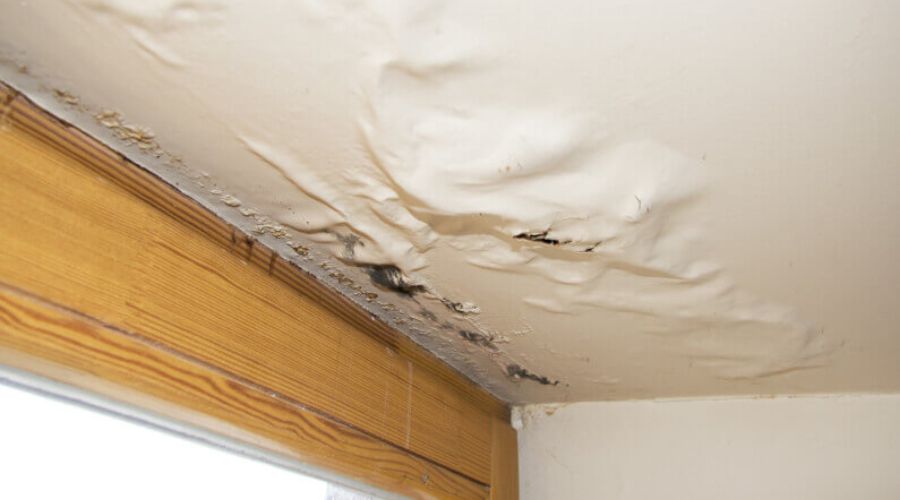
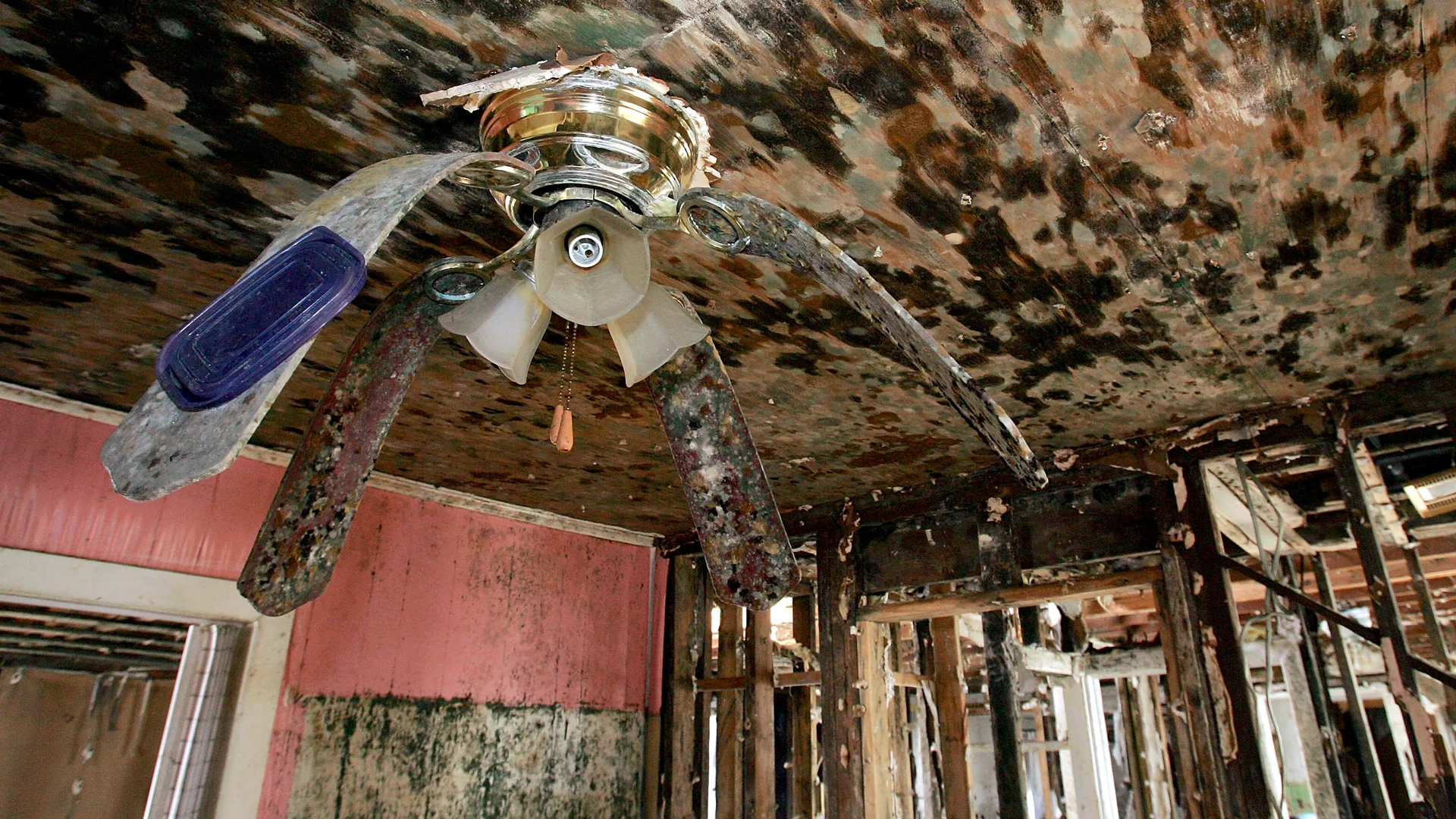
By the time you notice a ceiling stain or peeling paint, the leak may have been active for days or weeks — long enough for rot and mold to begin.
Early Signs of Ice Dam Water Damage
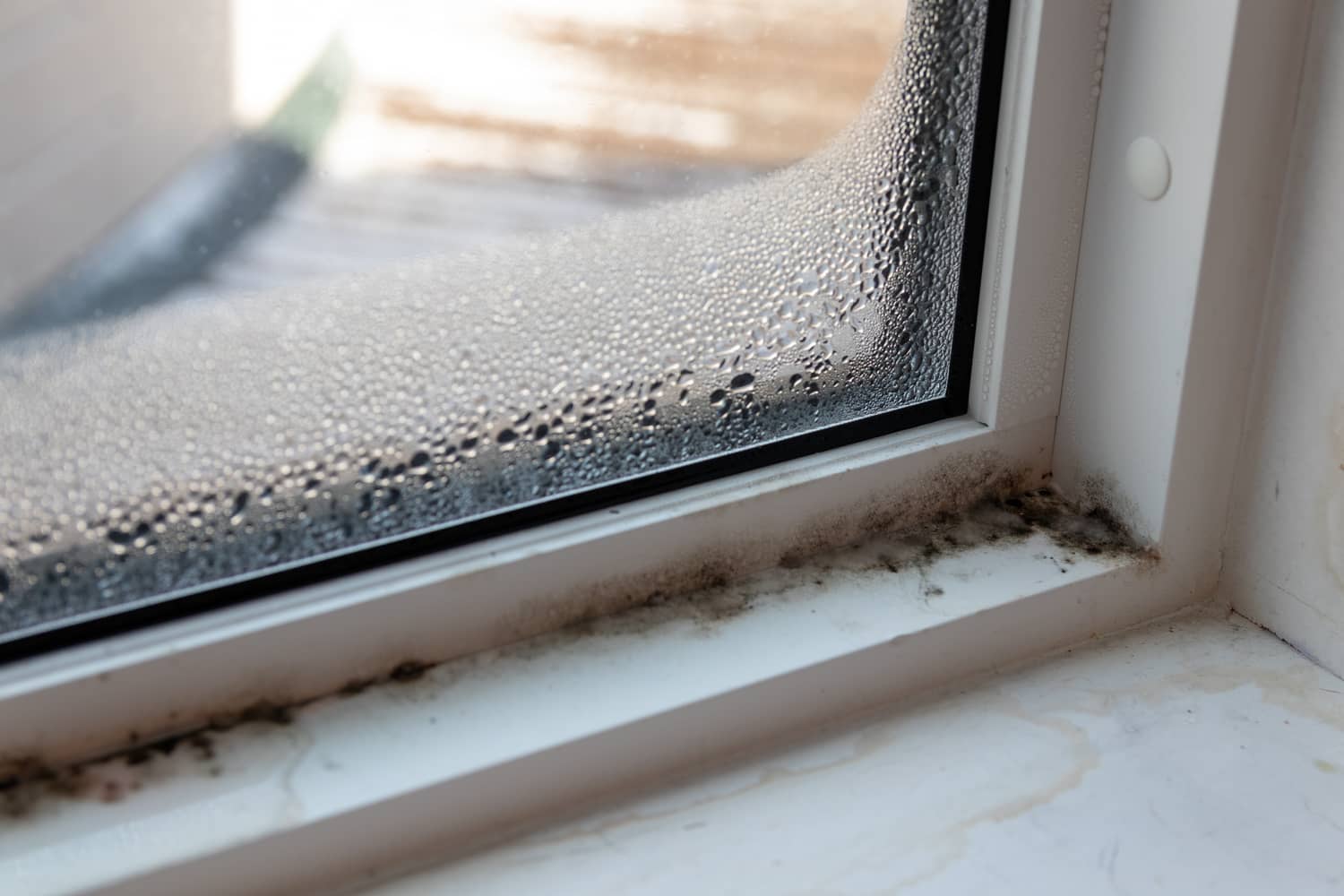
Watch for these warning signs so you can act before the problem gets worse: • Water stains on ceilings or walls, especially near exterior walls. • Peeling paint, bubbling drywall, or warped trim. • Damp or matted attic insulation. • Musty odors coming from the attic or upper levels. • Ice build-up on gutters or the roofline after a thaw. • Interior icicles or frost near windows — indicating excess moisture.
If you notice any of these signs after a snow + thaw cycle, it’s time to investigate — and to consider professional help.
Common Areas Ice Dams Damage
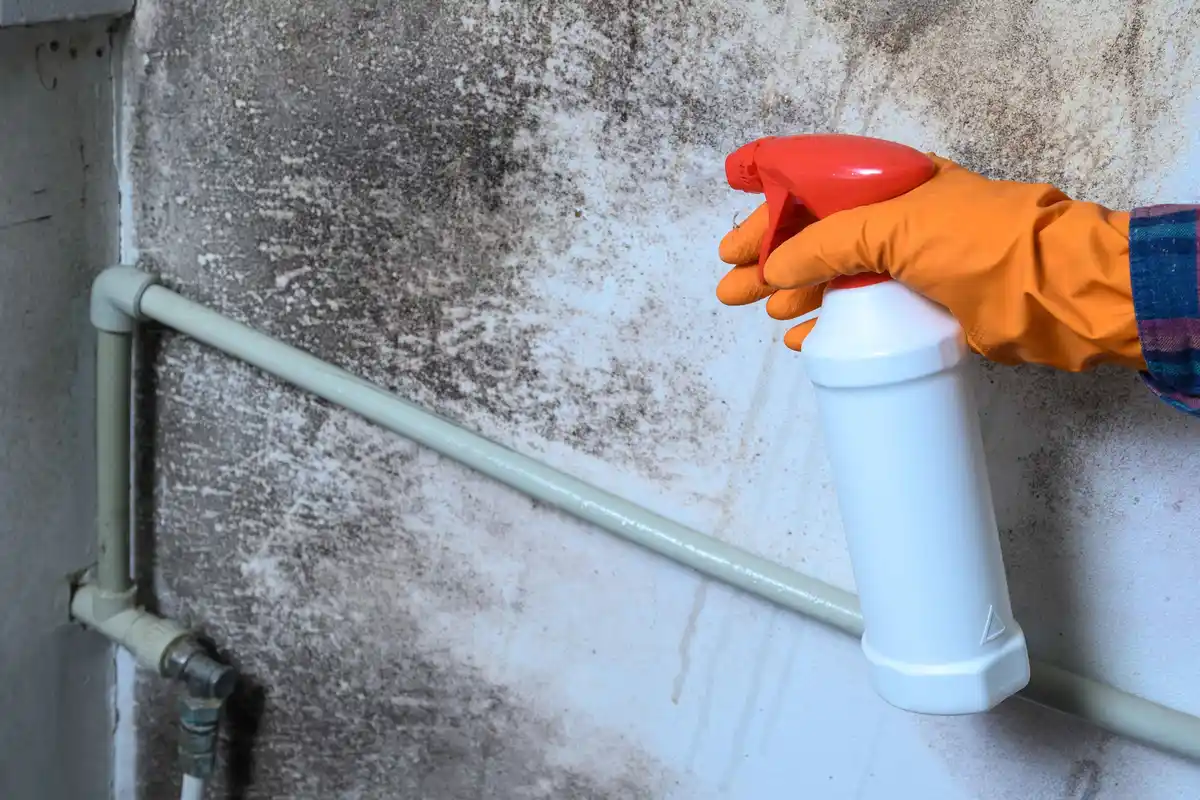
Ice dams can damage parts of the home you don’t check regularly: • Attic insulation (wet insulation must be removed and replaced). • Roof decking and underlayment (prolonged moisture can cause rot). • Ceiling and wall cavities (hidden moisture leads to structural damage). • Electrical systems (water near wiring is dangerous). • Areas prone to mold growth — mold can begin developing in 24–72 hours after moisture intrusion.
How to Prevent Ice Dams Before They Start
Preventing ice dams is much easier (and less costly) than repairing the damage they cause. Key strategies include: • Insulate your attic properly to stop warm air from escaping into the roof. • Seal air leaks around chimneys, vents, recessed lights, and attic hatches. • Improve attic ventilation so roof temperatures stay more even from ridge to eave. • Clean gutters and downspouts before winter to ensure proper drainage. • Use a roof rake to remove the top 2–3 feet of snow after heavy storms (avoid damaging shingles). • Avoid DIY chipping or using harsh chemicals on ice dams — these can damage shingles and void warranties.
For many homeowners, a combination of improved insulation, air sealing, and ventilation is the most reliable long-term solution.
What to Do If You Suspect an Ice Dam Leak
If you think an ice dam has caused a leak, follow these steps:
Avoid DIY demolition. Chipping at ice or using metal tools can damage shingles and make leaks worse.
Inspect the attic safely (if you can) for wet insulation or visible water. Use caution around electrical components.
Call a professional water damage restoration team. Fast drying and proper moisture mapping reduce repair costs and stop mold.
Dry and remove wet insulation and materials as recommended by professionals to prevent mold growth and restore insulation performance.
Document damage for insurance — take photos and keep records of any repairs and professional inspections.
The sooner you act, the less likely you are to face major structural repairs or mold remediation.
Protect Your Home from Ice Dam Water Damage This Winter
Ice dams are a silent winter threat — they form out of sight and cause damage long before you spot a problem inside. The best defense is prevention: proper insulation, airtight sealing, and balanced attic ventilation. But if you’re already seeing signs of moisture or ice buildup on your roofline, don’t wait.
At Restoration Now, we specialize in fast, professional water damage and mold remediation services for Omaha homeowners. We can inspect your attic and roof, identify hidden leaks, remove wet insulation, dry affected areas with industrial equipment, and repair damage to prevent future problems.
Call Restoration Now today or request a professional inspection online — we’ll stop the leak, dry your home, and protect it from costly winter damage and mold.