 (402) 502-7277

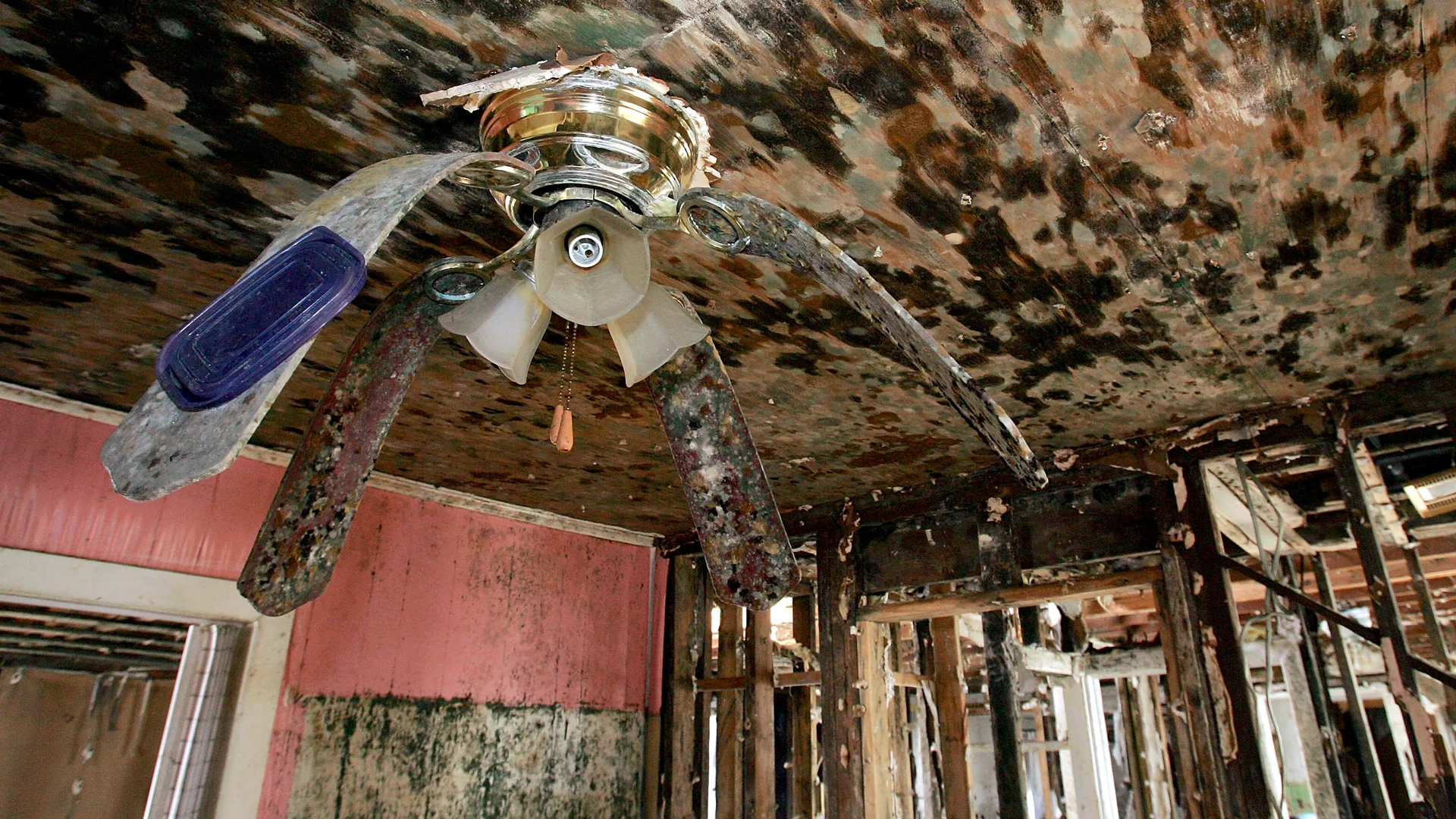

DIY Mold Removal vs. Professional Remediation - What’s the Real Difference?

The Dilemma: Can You Handle Mold Yourself?
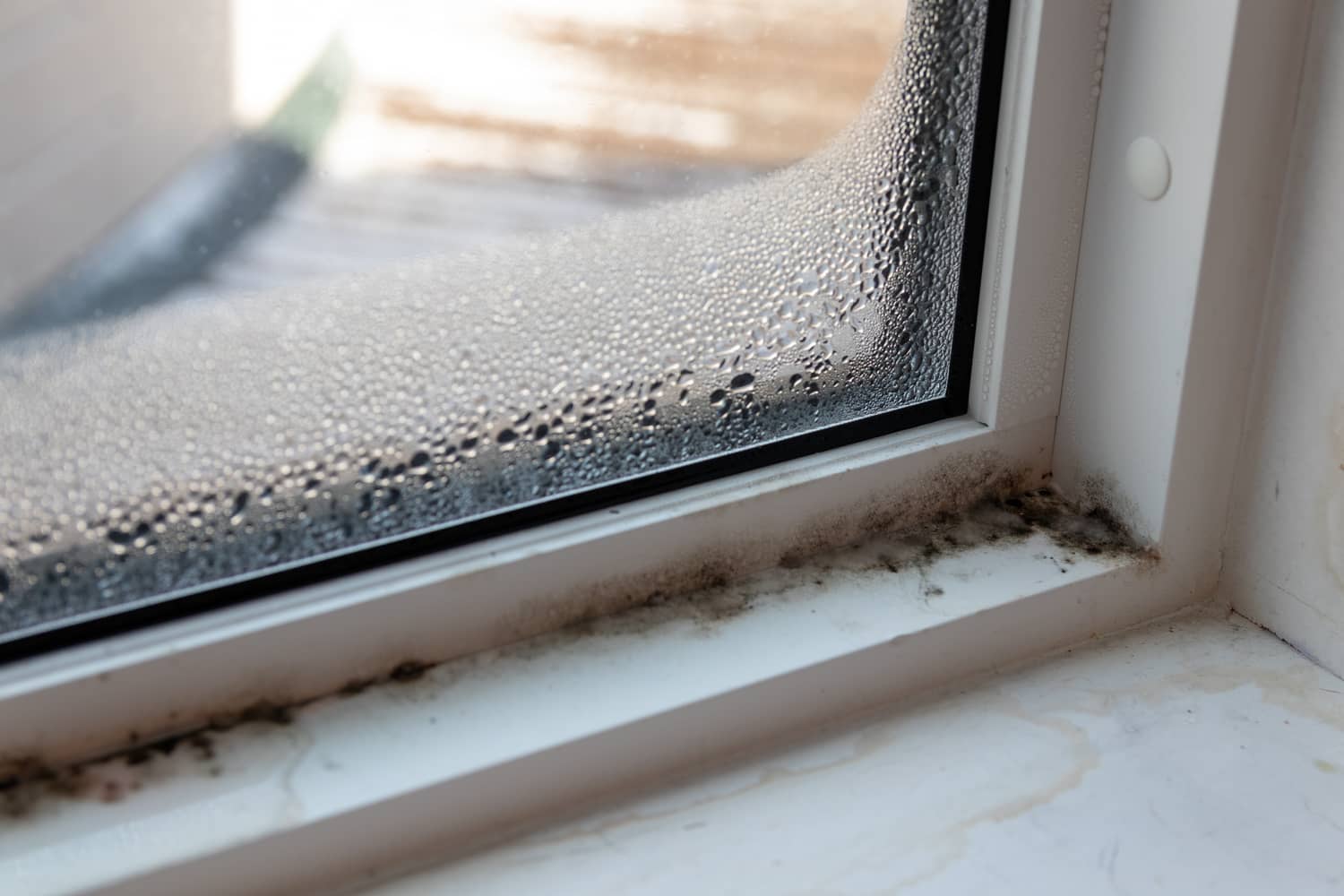
When you spot a patch of mold in your Omaha basement or bathroom, your first instinct is likely to grab a scrub brush and some household cleaner. In a climate like Nebraska’s—where humidity levels fluctuate wildly—mold is quite common. However, many homeowners don't realize that "cleaning" mold and "remediating" mold are two very different things.
Understanding the difference between a quick DIY fix and professional mold removal in Omaha is critical for protecting both your property value and your family’s respiratory health.
The 10-Square-Foot Rule
According to EPA guidelines, homeowners can generally handle mold cleanup if the affected area is less than 10 square feet (roughly a 3ft by 3ft patch).
When DIY might be acceptable:
- The mold is on a non-porous surface like tile, metal, or glass.
- The growth is surface-level mildew caused by simple bathroom humidity.
- There is no underlying water damage or hidden leaks.
The Danger of the "Bleach Myth"
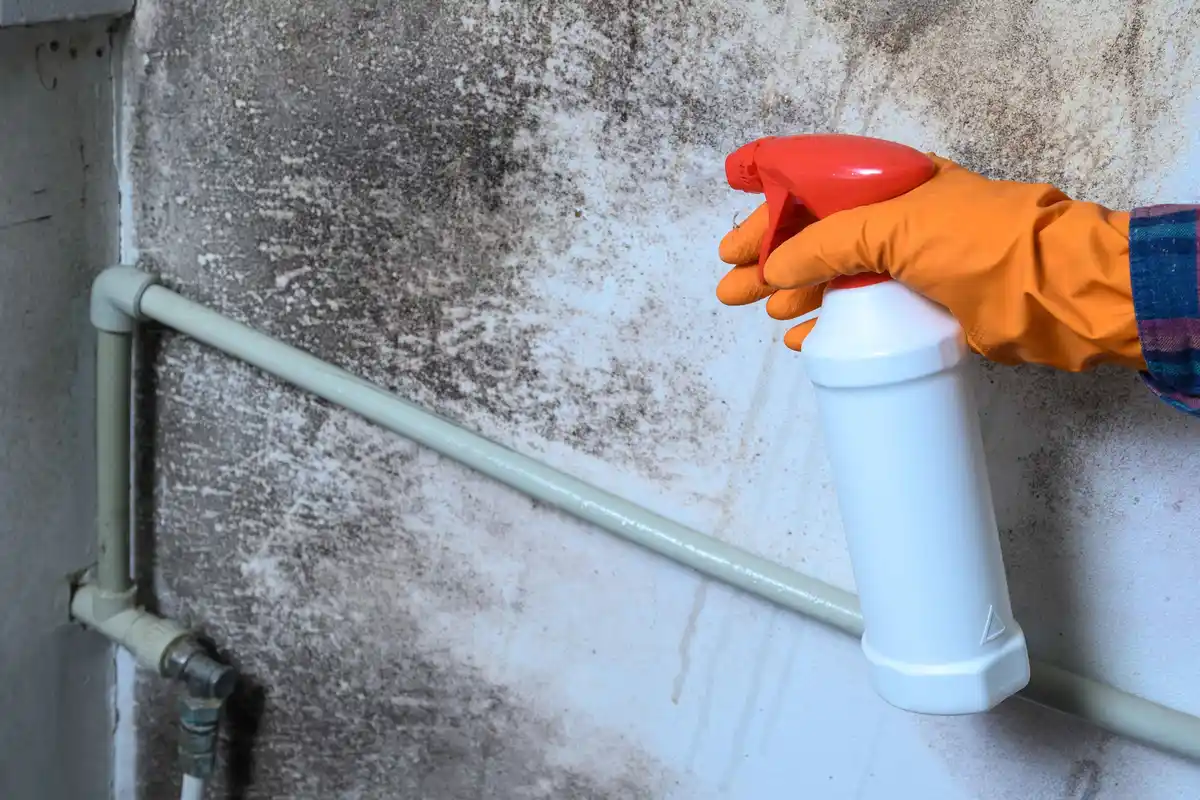
The biggest mistake Omaha homeowners make is using bleach on porous surfaces like drywall or wood. Bleach is mostly water; while it kills the surface growth, the water soaks into the material and feeds the mold roots (hyphae). This often results in the mold returning faster and stronger than before.
What Makes Professional Remediation Different?
Professional remediation is a scientific process designed to remove the mold without contaminating the rest of your home. Here is how Restoration Now approaches the process:
- Containment & Negative Air Pressure: We use physical barriers and industrial air scrubbers to ensure mold spores don't drift into your HVAC system or other rooms during the cleaning process.
- HEPA Filtration: We use HEPA-vacuuming and air filtration to capture microscopic spores that are invisible to the naked eye.
- Root Cause Identification: We don't just clean the spot; we find the moisture source—whether it's a foundation crack or a leaking pipe—to ensure the mold doesn't come back.
- Safe Disposal: Contaminated porous materials (like drywall or insulation) are bagged and removed following strict safety protocols to prevent cross-contamination.
When You Must Call an Omaha Professional
If you find yourself in any of the following situations, DIY is no longer a safe option:
- Large Areas: The mold covers more than 10 square feet.
- Hidden Mold: You can smell a musty odor but cannot see the source (it’s likely behind walls).
- Health Symptoms: Family members are experiencing unexplained coughing, sneezing, or headaches.
- Post-Flooding: The mold appeared after a basement flood or a major plumbing failure.
Protect Your Home with Restoration Now
In Omaha, mold isn't just an aesthetic issue; it's a structural and health concern. Cutting corners with DIY methods often leads to more expensive repairs down the road. By choosing professional mold removal in Omaha, you gain the peace of mind that comes with a certified, thorough, and lasting solution.
At Restoration Now, we have the specialized equipment and local expertise to handle any mold challenge, large or small.
Don't risk your health on a DIY guess. Get a professional assessment today.