1. Category 1: Clean Water Intrusion
Category 1 water damage originates from sanitary sources that pose no immediate health risk to human occupants upon initial release. Common examples include broken freshwater supply pipes, overflowing sink basins without contaminants, melting ice, or rainwater entering through clean roof breaches.
While Category 1 water is technically non-toxic at the moment of discharge, it presents a deceptive sense of safety. Once liquid water contacts building substrates like drywall paper, subflooring adhesives, or dust-laden carpet padding, it begins dissolving organic matter.
Crucial Window: Category 1 water remains classified as clean for only 24 to 48 hours before microbial multiplication downgrades the environment to Category 2.
Extracting Category 1 moisture promptly using commercial-grade suction units prevents structural framing saturation and saves porous materials from requiring complete disposal. Executing fast, professional water damage restoration in Omaha stops clean water leaks from escalating into complex environmental remediation projects.
2. Category 2: Gray Water Contamination
Category 2 water contains significant chemical, physical, or biological contamination capable of causing discomfort or illness if ingested or touched. Common sources include discharge from washing machines, dishwasher overflows, toilet bowls containing urine (but no feces), or sump pump failures.
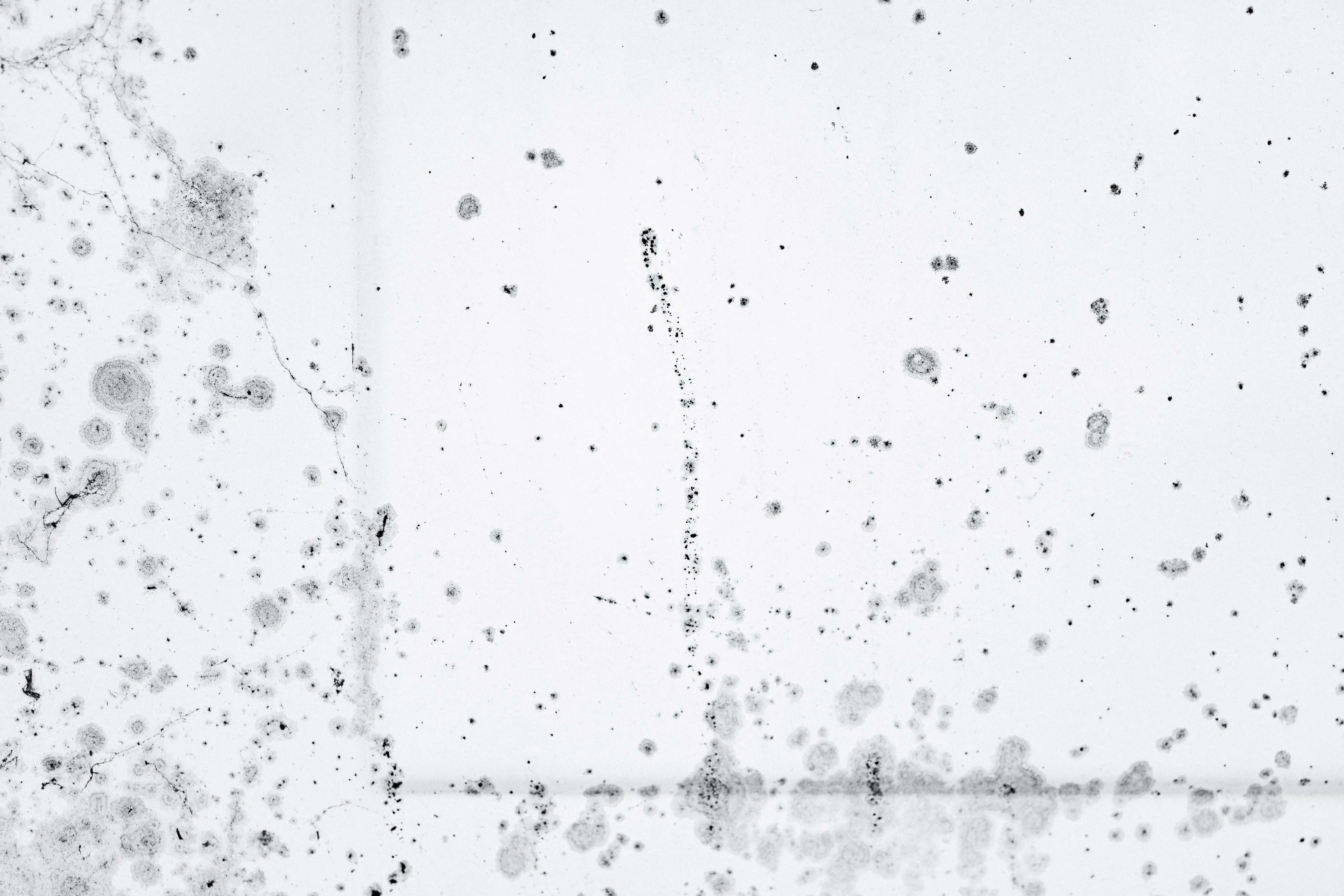
Gray water carries elevated levels of nutrients, detergents, and microorganisms. When gray water saturates porous building materials such as carpet underlayment or gypsum board, simple surface wiping is completely inadequate. The organic load provides immediate nourishment for microbial colonies.
In addition, any Category 1 water left unaddressed past the 48-hour mark automatically transitions into Category 2 due to rapid bacterial multiplication. Identifying hidden moisture pockets early through a thorough mold inspection in Omaha ensures that gray water residue trapped behind baseboards or inside cabinet bases is identified before fungal growth takes hold.
3. Category 3: Black Water Biohazards
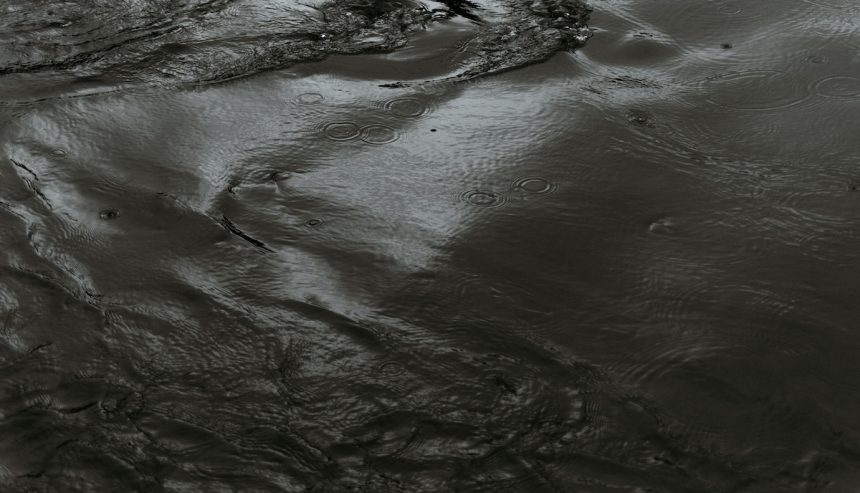
Category 3 water, commonly referred to as black water, is grossly contaminated and contains highly dangerous pathogenic agents, toxigenic bacteria, or harmful chemical compounds. Contact with or exposure to Category 3 water presents severe medical risks to property occupants and restoration personnel.
Primary sources of Category 3 water include sewage backups, rising river or stream floodwaters, marine water intrusion, and toilet bowl overflows originating beyond the trap. Furthermore, standing Category 2 water that remains unmitigated for more than 48 hours rapidly degrades into Category 3 as bacterial populations explode and volatile organic compounds off-gas.
- Mandatory Disposal of Porous Materials: Unlike clean water events where drywall or carpet cushion may be dried in place, Category 3 intrusions require the immediate removal and biohazard disposal of all affected porous building assemblies.
Remediating Category 3 contamination requires specialized containment zones under negative pressure, hospital-grade disinfectants, and complete structural decontamination. When biohazardous or fungal amplification compromises structural integrity, certified professional mold remediation and biohazard extraction protocols are mandatory to make the indoor space medically safe again.
4. Strategic Mitigation Protocol
Regardless of the initial water source, time is the ultimate factor determining total property loss and restoration complexity. A systematic approach prevents category escalation and protects building longevity.
Recommended Action Steps:
- Stop the Ingress: Immediately shut off main water control valves or isolate leaking appliance supply connections.
- Avoid Contact with Unknown Sources: Treat standing water of unknown origin or foul odor as Category 3 until certified inspection confirms its purity.
- Deploy Industrial Drying Systems: Use commercial LGR dehumidifiers and high-velocity air movers to force moisture out of non-porous structural framing elements within the critical 24-to-48-hour window.