1. The Psychrometric Cascade: Vapor Pressure & Enclosed Cavities
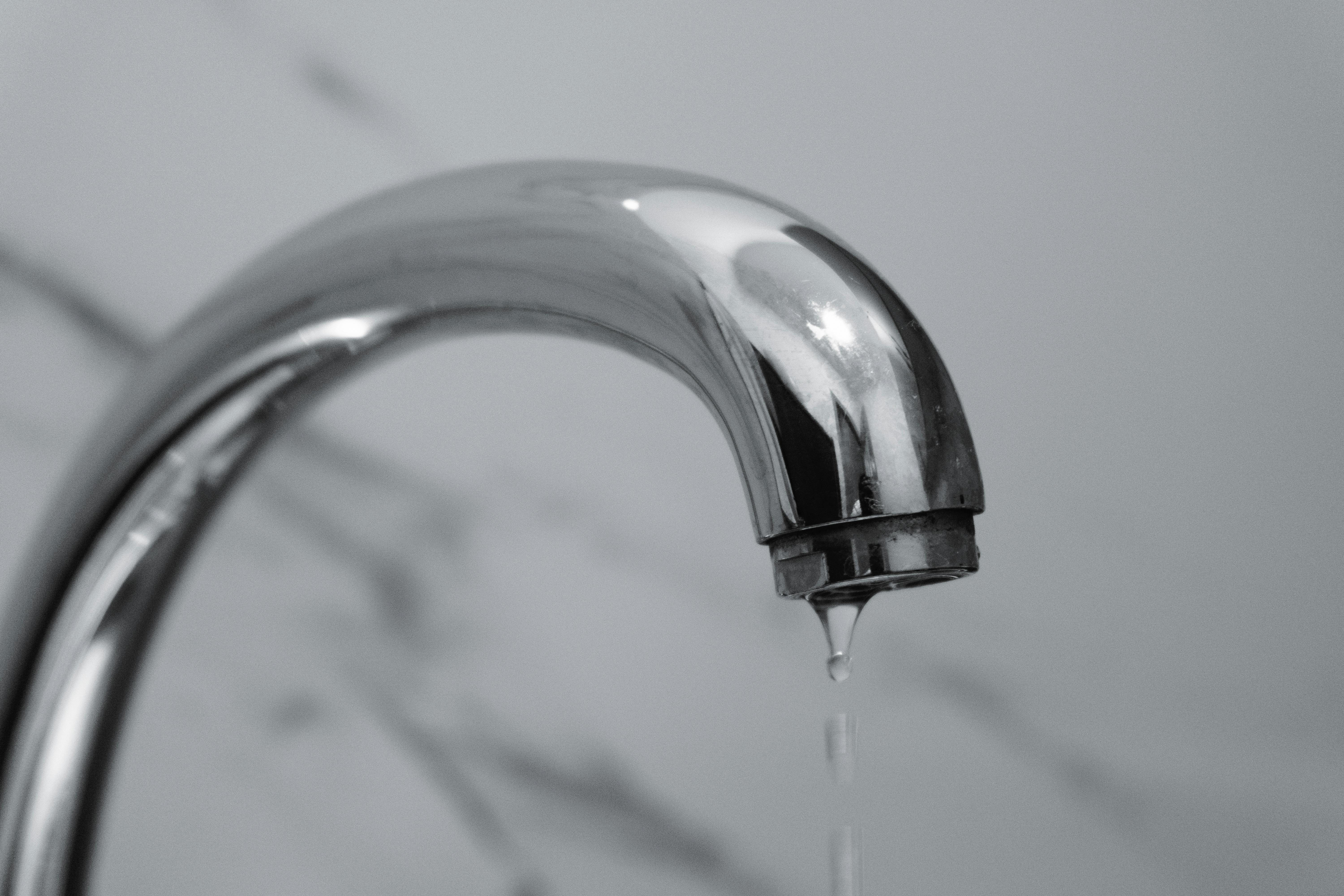
When a plumbing fitting drips or structural masonry experiences micro-weeping, the initial volume of liquid water is only half the problem. Inside unventilated building assemblies—such as interior partition walls, floor joist cavities, and interstitial ceiling spans—this liquid water instantly begins to evaporate.
Because the space is enclosed, relative humidity (RH) spikes exponentially. As local RH crosses the critical 60% threshold, the air mass becomes highly saturated. This drives up the local vapor pressure, forcing warm, moisture-laden air to migrate deeply into porous surrounding materials like gypsum drywall, hardwood finish layers, and fibrous insulation matrices.
Key Insight: Once dynamic evaporation charges a wall cavity with hidden high-humidity vapor, structural drying cannot occur naturally without commercial air-exchange intervention.
To stop this destructive continuous evaporation cycle, the bulk moisture mass must be extracted programmatically. Immediate extraction utilizing high-volume LGR dehumidifiers drops the local ambient moisture load before it can migrate into structural framing lumber, which is why immediate structural stabilization through certified water damage restoration in Omaha is vital to protecting property value.
2. The 48-Hour Fungal Timeline: Microscopic Amplification
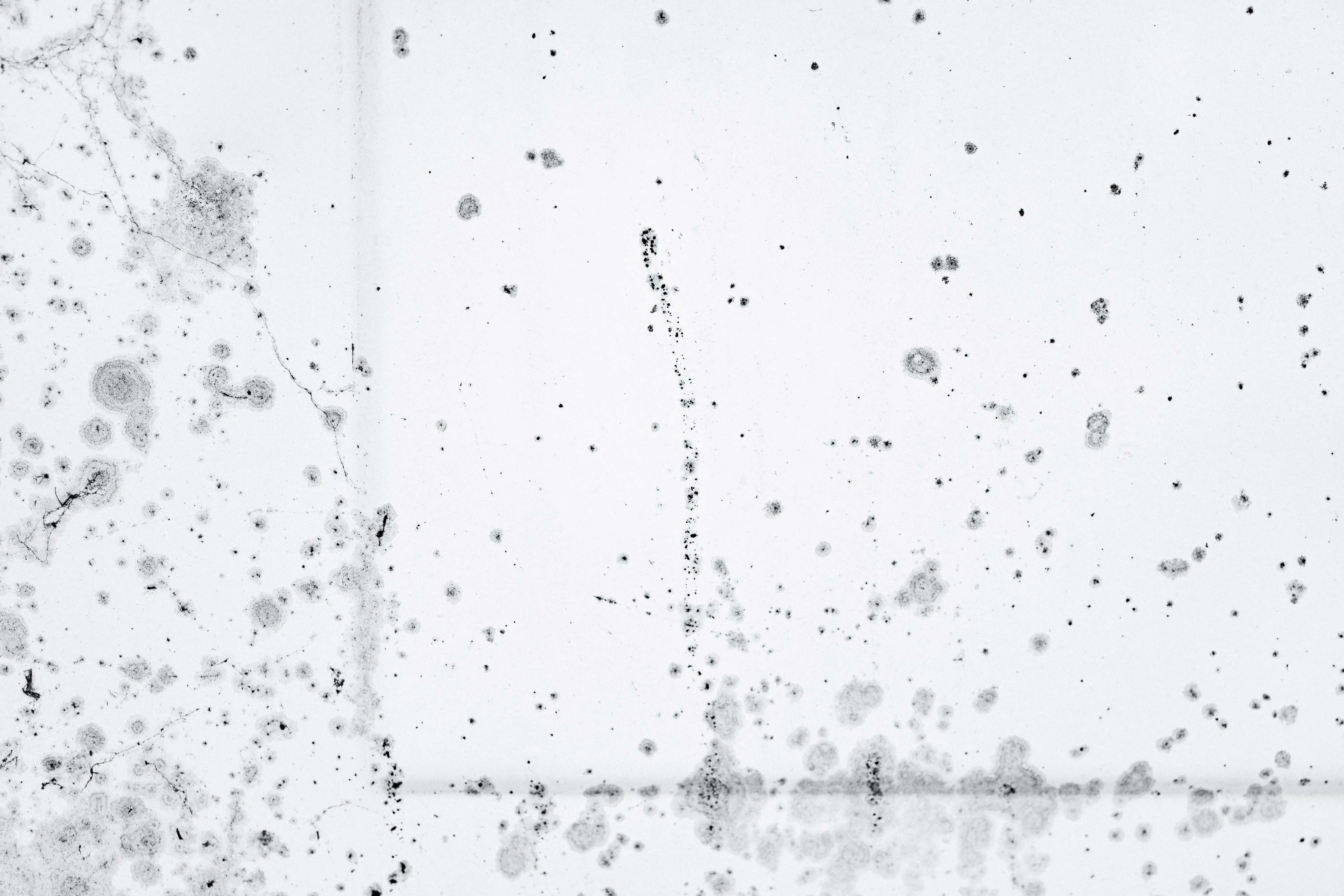
Fungal spores occur naturally in nearly all indoor environments, remaining entirely dormant until triggered by an environmental catalyst. That catalyst is sustained moisture. Once a substrate's water activity level remains elevated for 48 to 72 hours, these microscopic spores undergo rapid cellular activation.
The spores extend microscopic tubular structures called hyphae, which rapidly weave together to form an active root network known as a mycelium. This root network uses specialized enzymes to actively digest cellulose—the primary organic compound found in standard drywall paper backings, wood framing studs, and carpet pad layers.
Because this initial reproductive explosion occurs entirely out of sight inside wall voids, relying strictly on a physical visual assessment frequently results in a false sense of security. Identifying these invisible hidden fungal reservoirs early requires precision non-invasive diagnostics. Utilizing advanced FLIR thermal imaging cameras and volumetric air sampling pumps via a professional environmental mold inspection in Omaha is the only scientific method to verify exact airborne spore density profiles before structural surfaces begin to swell or show staining.
3. Substrate Integrity & Rot: The Cost of Delay
As fungal colonies mature, they permanently damage the structural properties of building materials. Gypsum drywall loses its crystalline cohesion, softening into a structurally soundless paste that cannot hold fasteners or support wall loads.
Worse, if the moisture source remains active, deep wood-rotting fungal strains target structural lumber elements. These colonies break down the lignin within structural wall studs and floor joists, severely diminishing their maximum load capacities over time.
- The Secondary Contamination Hazard: When a colony feels threatened by a changing environment or runs out of digestible organic substrate, it enters a defensive sporulation phase. The mold releases millions of microscopic airborne spores along with volatile organic compounds (VOCs) and mycotoxins directly into your property's breathing zones, presenting significant health concerns to building occupants.
Once fungal networks root themselves deep into the wood grain of structural framing, basic household cleaners like store bleach completely fail to remediate the damage. Total remediation requires deploying a specialized containment framework, negative air pressure machines, and deep-substrate botanical antimicrobial treatments. If fungal expansion has spread across building boundaries, executing a certified structural mold remediation protocol is the only definitive way to physically isolate, remove, and safely clear out the root system permanently.
4. Engineering The Cure: Proactive Environmental Control
Managing a small water leak properly means thinking about the complete indoor atmospheric environment, rather than just wiping up the visible liquid. If you suspect an active leak behind a wall or notice a sudden musty smell, taking a proactive approach saves thousands of dollars in structural demolition costs later.
Recommended Immediate Response Protocol:
- Isolate the source: Immediately shut off local plumbing valves or main supply lines if structural weeping is detected.
- Map thermal variations: Deploy non-invasive thermal tools to identify the exact margins of moisture migration behind drywall boundaries.
- Establish rapid air exchange: Run specialized dehumidification equipment to quickly drop vapor pressure within the room.